Wellness
Gut Health 101: Fermented Foods You Can Find Locally
From Mouraria market stalls to Príncipe Real delis, Lisbon's fermented food scene is quietly booming — and your microbiome is better off for it.
4 min read
Updated 1 h ago
Wellness
From Mouraria market stalls to Príncipe Real delis, Lisbon's fermented food scene is quietly booming — and your microbiome is better off for it.
4 min read
Updated 1 h ago
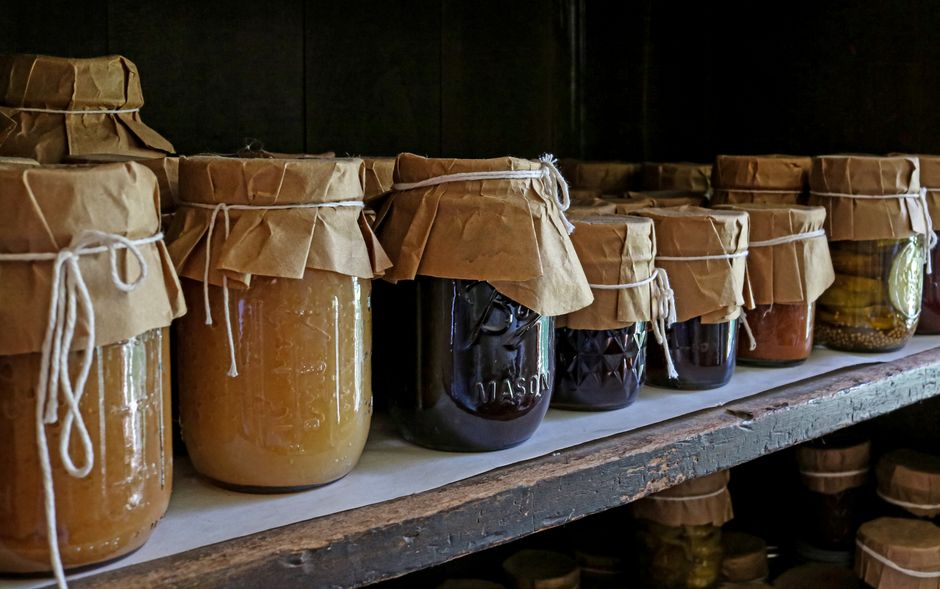
Lisbon's food culture has always leaned fermented. The city has been pickling, curing and culturing ingredients for centuries without ever calling it a wellness trend. Now, with gut health research accelerating and nutritionists increasingly pointing to the microbiome as central to everything from mood regulation to immune response, those same traditional foods are getting a second look — from both locals and the wave of health-conscious expats who have settled in neighbourhoods like Estrela and Campo de Ourique.
Why now? European research published in the journal Cell back in 2021 — still widely cited by dietitians in 2026 — found that a diet high in fermented foods increased microbiome diversity and reduced markers of inflammation more effectively than a high-fibre diet alone over a ten-week period. That finding shifted the conversation. Fermentation went from niche to necessary, and food producers from Copenhagen to Porto began capitalising on it. Lisbon has its own version of this story, and it starts, as most things do, at the market.
Mercado de Campo de Ourique, on Rua Coelho da Rocha, remains the most reliable spot in the city for quality fermented staples. The market's dedicated cheese counters carry queijo de Azeitão, a raw sheep's milk cheese from the Setúbal Peninsula that undergoes natural lactic acid fermentation. One wheel costs between €4 and €7 depending on size and age — and it is not a decorative purchase. Raw fermented cheeses contain live bacterial cultures that pasteurised alternatives simply do not.
Down in Mouraria, specifically around Rua do Capelão, a handful of independent grocers stock açorda ingredients alongside kombucha from Portuguese producers including Lisboa Kombucha, a small-batch operation that distributes to around 30 Lisbon retailers. Their ginger and lemon variety runs about €3.50 for 330ml. The brand has been producing since 2019 and now supplies several restaurants in LX Factory, off Rua Rodrigues Faria in Alcântara.
Then there is the matter of azeitonas — fermented olives — which Lisboetas eat without ceremony and without really thinking of them as a gut health food. They are. The lactic acid fermentation process used to cure Portuguese olives, particularly varieties from Alentejo, produces beneficial organic acids and preserves bioactive compounds. A jar from any mercearia in Intendente or Anjos costs roughly €2 to €4. That is an inexpensive way to add fermented food to a daily routine without buying into any particular wellness programme.
A 2024 position paper from the European Federation of the Associations of Dietitians recommended that adults include at least two portions of fermented foods in their daily diet as part of standard nutritional guidance — a relatively new formal endorsement of something traditional diets have long practiced. The Portuguese diet, anchored in cured fish, aged cheese and fermented olives, was already delivering on most of those recommendations before the guidelines were written.
Natexpo Lisboa, the organic and natural products trade fair held at FIL in Parque das Nações each October, has tracked a 34 percent increase in fermented food exhibitors since its 2022 edition. Kefir, which was practically invisible in Lisbon supermarkets five years ago, now sits in the refrigerated section of most Pingo Doce and Continente stores for around €1.80 per 500ml bottle.
The practical starting point is simpler than most wellness content suggests. A daily portion of natural yoghurt — not the sugar-laden fruit variety — a few olives, and the occasional glass of kefir or kombucha will get most people most of the way there. Lisbon's Mercado da Ribeira, at Cais do Sodré, runs a permanent producers section on the lower level where small-batch fermented products appear regularly on weekends. Arriving before noon gives the best selection. No subscription box required.
Anyone managing a specific digestive condition should speak with a gastroenterologist or registered dietitian before making significant dietary changes. The Ordem dos Nutricionistas maintains a searchable register of qualified practitioners at ordemdosnutricionistas.pt for those looking for professional guidance in Lisbon.

Wellness

Wellness

Wellness
Wellness
About this article
Published by The Daily Lisbon
Spread the word
Daily brief
Free, in your inbox before 7am. Weekdays.
The Daily Network — local news across Australia