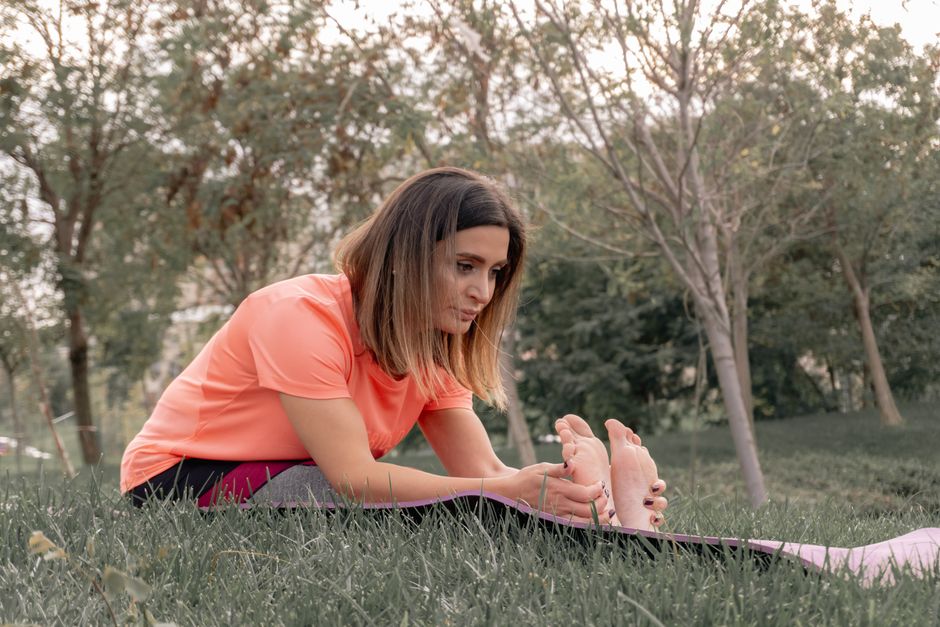
Lisbon has more than 30 free outdoor gym installations across its 24 parishes, and on any given morning before 9 a.m. you'll find them busy. The Câmara Municipal de Lisboa has been expanding the network since 2019 under its Lisboa em Forma programme, adding resistance machines, parallel bars, and multi-station circuit boards to parks that previously offered little more than a bench and some gravel. The result is a city where a complete strength-and-cardio session costs exactly zero euros.
This matters more right now than it did even two years ago. Gym membership prices in Lisbon rose an average of 11 percent between 2023 and 2025, according to consumer data compiled by Deco Proteste, the Portuguese consumer association. The cheapest commercial gym chains — Holmes Place and Solinca both operate central Lisbon locations — start at around €35 a month. For the roughly 22 percent of Lisbon residents the city classifies as economically vulnerable, that's a genuine barrier. Free outdoor provision isn't a novelty; it's infrastructure.
The Spots Worth Knowing
Parque Florestal de Monsanto is the obvious starting point. At 900 hectares, it's the largest urban park in Lisbon and contains multiple fitness circuits spread across the Estrada do Belo Monte and Estrada da Circunvalação routes. The circuit near Miradouro do Monumento às Vítimas do Fascismo includes 12 fixed stations covering upper body, core, and balance work — all weather-resistant steel, refurbished in 2024. The surrounding pine forest keeps temperatures noticeably lower than the city centre during July, which at the moment is registering afternoon highs of 35 to 37 degrees Celsius. Morning sessions before 8 a.m. are genuinely comfortable.
Down at river level, Parque das Nações — the 340-hectare district built on the site of Expo '98 — runs a continuous riverside promenade along the Tagus from Estação do Oriente south toward the Vasco da Gama tower. The promenade hosts three separate outdoor gym clusters, the most complete of which sits adjacent to the Jardim do Cabeço das Rolas. This one has cable-resistance machines, chin-up stations, and a 400-metre marked running loop. It draws a noticeably mixed crowd: retirees working on mobility, teenagers doing calisthenics, runners stopping mid-route for a set of dips.
Parque Eduardo VII, just north of Marquês de Pombal, tends to get overlooked because its sloped central lawn dominates the eye line, but the eastern edge along Rua Castilho has a compact fitness trail installed under the Lisboa em Forma scheme. It's less extensive than Monsanto or Parque das Nações, but unbeatable for anyone living or working in Avenidas Novas who wants a 30-minute lunchtime circuit without travelling far. The Jardim da Fundação Calouste Gulbenkian, a ten-minute walk east, has a marked 1.2-kilometre jogging path with clear distance markers, useful for anyone building a running base without a GPS watch.
How to Get the Most Out of Them
The practical reality is that most of these installations come without supervision or programming. That's both freedom and limitation. The Junta de Freguesia de Parque das Nações runs free Saturday morning group sessions at the riverside gym cluster — check the junta's website for the current July and August schedule, which runs from 9 a.m. to 10 a.m. most weekends. These sessions are led by contracted fitness instructors and require no registration. They're worth attending at least once simply to learn the correct technique on the cable-resistance stations, which are easy to misuse.
Anyone with existing joint problems or returning from injury should get clearance from a médico de família — a GP through the SNS, Portugal's national health service — before starting an outdoor circuit programme. The SNS Centro de Saúde network has clinics in every Lisbon parish. Appointments for general health assessments are free for registered patients.
The Lisboa em Forma programme is scheduled to add seven more outdoor gym stations across the parishes of Beato, Marvila, and Penha de França before the end of 2026, according to the municipality's published capital works plan. Those eastern parishes have historically had the fewest facilities relative to population. When those open, the network will cover the city more evenly than it ever has — which, for anyone who trains outdoors, is genuinely good news.