Lisboetas are eating differently. Walk through the Mercado de Campo de Ourique on a Saturday morning and the evidence is immediate: chickpea flour, dried lupini beans, and blocks of firm tofu now share shelf space with salt cod and chouriço. Protein consumption habits in the Portuguese capital are shifting, driven by a combination of rising meat prices, growing environmental awareness, and a Mediterranean diet tradition that, frankly, was never as meat-heavy as modern supermarket culture made it seem.
The timing matters. The cost of beef at Lisbon's larger Pingo Doce and Continente stores climbed roughly 18 percent between early 2024 and mid-2026, according to data compiled by the Instituto Nacional de Estatística. That pressure on household budgets has pushed shoppers toward alternatives — and nutritionists working in the city say many of them are staying there once they discover the variety on offer.
Where to Find It: Lisbon's Best Non-Meat Protein Sources
The city's oldest food culture has always centred legumes. Feijão — white beans, kidney beans, black beans — appears in everything from caldo verde to the slow-cooked feijoada that anchors Sunday lunches in Almada and across the Tagus. A 500g bag of dried chickpeas at the Mercado da Ribeira costs around €1.20, delivering roughly 19 grams of protein per 100g cooked — comparable to many processed meat products at three or four times the price. At Mercado de Arroios, vendors in the northeast corner of the hall stock dried lentils and split peas imported from Turkey and Canada, alongside Portuguese-grown varieties from Trás-os-Montes.
Eggs remain a cornerstone. The Portuguese average more than 230 eggs per person annually, and the free-range sector has grown substantially since the EU's 2027 cage ban was announced. Small producers from the Setúbal peninsula now sell directly at the Feira de Organic Lisboa, held every Saturday in Jardim do Príncipe Real, where a dozen certified free-range eggs runs €3.50 to €4.00. Sardines — a civic obsession that peaks every June during Santo António — deserve mention too. A single 120g tin packs approximately 25 grams of complete protein and omega-3 fatty acids, and costs as little as €1.50 at neighbourhood tascas in Alfama and Mouraria.
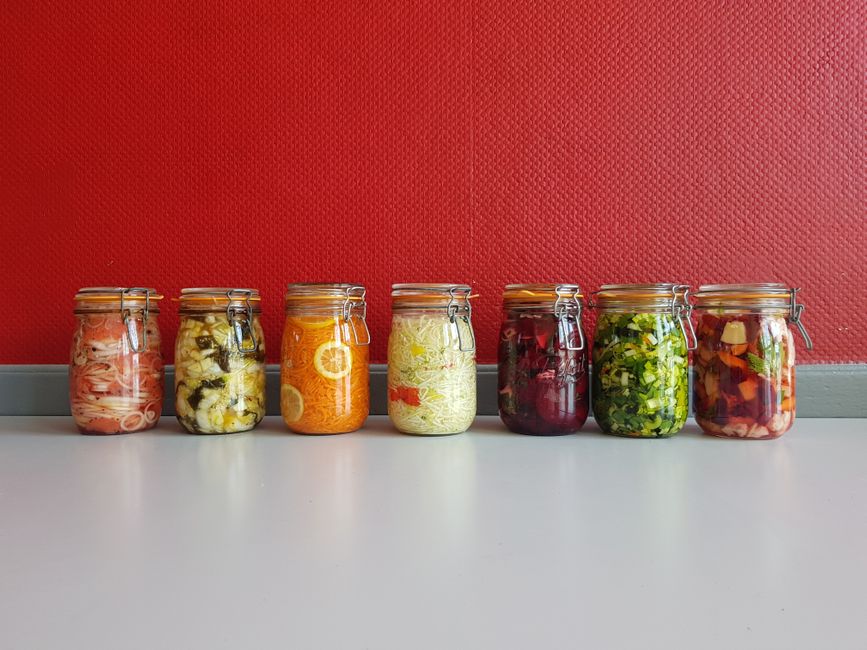
The fermented food movement has brought a newer set of options. Tempeh — fermented soya bean cake — is now produced locally by Lisboa Fermentada, a small producer based in Marvila's creative hub, and stocked at several Celeiro Dieta natural food shops across the city. Tofu has followed a similar arc; the Rua de São Bento area in Bairro Alto now has two dedicated Asian grocery shops supplying firm and silken varieties at prices well under €3 per 400g block.
Making It Work Day-to-Day
Nutritional literacy is catching up with supply. The Universidade Nova de Lisboa's Faculty of Sciences and Technology published guidance in March 2026 recommending adults consume 0.8 to 1.0 grams of protein per kilogram of body weight daily, achievable through varied plant sources without supplementation for most healthy adults. Combining legumes with whole grains — the classic arroz com feijão — creates a complete amino acid profile, a fact that Portuguese grandmothers have understood for generations without the vocabulary to describe it.
Several Lisbon gyms and fitness studios, including Holmes Place in Amoreiras and the independent CrossFit box on Rua Filipe Folque near Picoas, have begun hosting nutrition workshops focused specifically on plant-based and low-meat protein planning. Dates and fees vary; both venues post current schedules on their websites. The city's public health network, ACES Lisboa Central, also offers free dietary consultations at its health centres in Arroios and Santa Maria Maior — a useful first stop for anyone considering a significant change to their eating habits. As with any shift in diet, checking in with a local médico de família is the sensible starting point before overhauling what's on your plate.