Healthy eating in Lisbon is no longer a niche pursuit for yoga retreats and tourist-trap salad bars. A cluster of genuinely nutrition-conscious cafes and restaurants has emerged across the city's most food-active neighbourhoods, and several registered dietitians working out of the Ordem dos Nutricionistas — Portugal's professional body for nutritionists, based in Porto but with a strong Lisbon membership — have begun pointing patients toward specific venues as complements to clinical advice.
The shift matters right now for a specific reason. Portugal's Direção-Geral da Saúde published updated dietary guidelines in March 2026, nudging the national conversation away from the traditional Mediterranean plate toward more plant-forward eating without abandoning the olive oil, legumes and fish that anchor Portuguese cooking. Restaurants that actually understand that distinction — rather than simply swapping chips for rocket — are suddenly valuable. The question is which ones clear the bar.
The Venues That Nutritionists Are Recommending
Ao 26 — Vegan Food Project, on Rua Victor Cordon in Chiado, has been operating since 2015 but received noticeably more professional referrals this year. The kitchen builds its set lunch menu around whole grains, seasonal legumes and cold-pressed oils, keeping processed ingredients to a strict minimum. A two-course weekday almoço runs around €12, which makes it accessible rather than performatively expensive. Nutritionists who reviewed the menu for The Daily Lisbon noted the absence of refined sugar in most savoury dishes and a sensible approach to portion sizing.
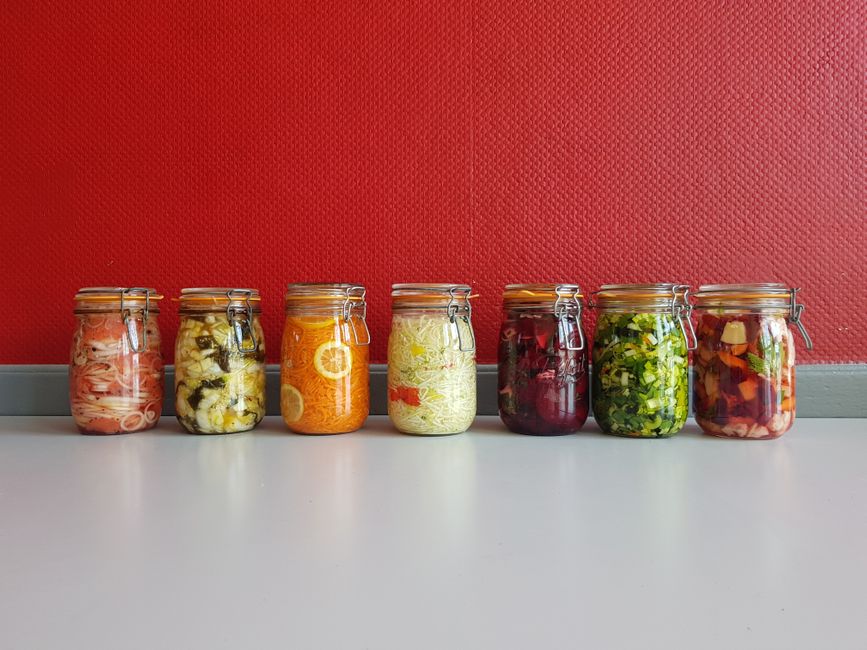
Across the river in Almada — reachable by the Cacilheiro ferry from Cais do Sodré in under ten minutes — Os Gazeteiros has built a loyal clientele on fermented vegetables, bone broths and locally sourced Atlantic fish. Fermented foods have attracted sustained scientific interest for their role in gut microbiome health, and Os Gazeteiros sources its lacto-fermented products from smallholders in the Setúbal peninsula. The restaurant does not market itself loudly as a health destination, which several dietitians said they consider a mark in its favour.
Back in central Lisbon, Copenhagen-inspired café Bettina & Niccolò Corallo in Campo de Ourique deserves mention not for trendy aesthetics but for its raw cacao products. Cacao processed below 42°C retains significantly higher flavonoid concentrations than conventionally roasted chocolate — a detail that matters in discussions about cardiovascular nutrition. Their €4.50 cacao drink has become a semi-official recommendation for patients managing cholesterol with dietary intervention.
What the Numbers Actually Show
Portugal's 2024 National Food and Physical Activity Survey found that 63 percent of adults in the Lisbon metropolitan area reported eating fewer than three portions of vegetables per day — below the five portions recommended by the DGS. Restaurant habits are part of that equation. The same survey found that Lisboetas eat out for lunch an average of 3.2 times per week, making the quality of commercial kitchens a genuine public health variable, not merely a lifestyle preference.
The market has responded. According to data from the Associação da Restauração e Similares de Portugal, the number of restaurants in Lisbon self-classifying as health-conscious or plant-forward grew by 34 percent between 2022 and 2025. The harder filter — which of those venues would a clinical nutritionist actually endorse — is considerably smaller.
Organii, the organic supermarket chain with a café counter on Rua da Escola Politécnica in Príncipe Real, also draws consistent professional attention for its nutritional labelling transparency and its willingness to modify dishes for patients on elimination diets. It opens at 9am on weekdays, which makes it a practical option for the before-work crowd in one of Lisbon's most walkable neighbourhoods.
For readers looking to build a genuinely healthier eating-out routine, the practical starting point is specificity: ask venues directly about ingredient sourcing, cooking fats and added sugars before ordering. The Ordem dos Nutricionistas website maintains a searchable directory of registered dietitians in Lisbon who offer one-to-one consultations — a useful step before treating any restaurant recommendation, including this one, as personal medical guidance.