Batch Cooking on a Budget: Meal Prep Strategies for Lisbon's Busy Families and Workers
With food costs still biting and summer schedules in overdrive, Lisbon nutritionists say Sunday afternoon in the kitchen could be the most productive hour of your week.
This article was generated by AI from the linked public sources. The Daily Lisbon is independently owned and covers Lisbon news free from advertiser or sponsor influence. Read our editorial standards →
More than half of Portuguese households now report eating ultra-processed food at least four times a week, according to a 2025 survey by the Instituto Nacional de Saúde Doutor Ricardo Jorge — and nutritionists working in Lisbon say the main culprit is not appetite, but time. Meal preparation, the practice of cooking in deliberate bulk sessions rather than scrambling each evening, is gaining serious traction across the city's neighbourhoods from Mouraria to Benfica, and the practitioners pushing it say the barrier to entry is lower than most families assume.
The timing matters. July school holidays have collapsed the routines that kept weekday eating halfway organised. Parents juggling staggered summer camp pick-ups at venues like the Centro Desportivo Nacional do Jamor in Cruz Quebrada are arriving home at 7 p.m. with nothing defrosted. Workers in the dense office corridors of Parque das Nações, many of them back five days a week following a widespread reversal of remote-work arrangements, are spending upward of €9 per lunch at nearby food courts — a figure that compounds fast across a working month.
What a Sunday Session Actually Looks Like
The framework that local dietitians tend to recommend divides prep into three categories: a grain base, a protein batch, and at least two roasted or blanched vegetables. Arroz carolino from the Ribatejo, cooked in a large pot and refrigerated, holds well for four days. A tray of frango do campo thighs, seasoned simply with pimentão and lemon and roasted at 200°C for 40 minutes, can anchor three entirely different meals across a week — sliced over salad on Monday, shredded into a wrap on Wednesday, stirred into a vegetable soup by Thursday. The Mercado de Campo de Ourique, open Tuesday through Saturday from 10 a.m., stocks seasonal legumes and local cheeses that make economical anchors for these batch components, and vendors there have grown visibly used to customers buying in larger quantities than a single-night meal requires.
Legumes deserve particular attention in the Lisbon context. Grão-de-bico and feijão-frade are cheap — a 500g bag of dried chickpeas from any Pingo Doce branch costs around €0.89 as of this week — and, once cooked and stored in 200ml portions in the freezer, they eliminate the single biggest friction point in weeknight cooking. The Associação Portuguesa de Nutricionistas has published free meal-prep guides on its website since early 2024, including a Portuguese-language template structured around the Mediterranean diet that works specifically with produce available in Portuguese supermarkets.
Making It Stick Past the First Week
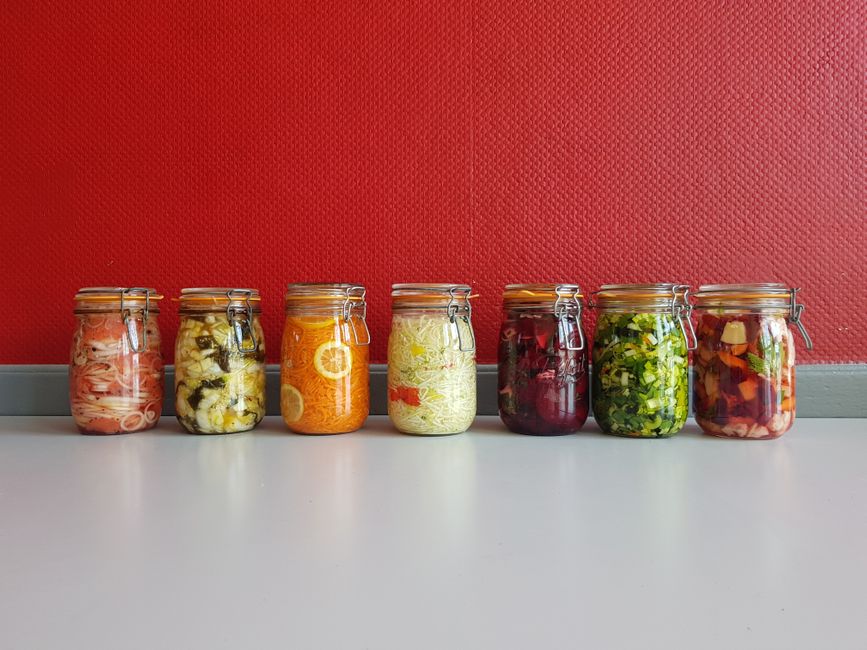
The most common failure point is not motivation — it is container logistics and refrigerator space. Nutritionists who run workshops through the Clínica de Nutrição in Avenida António Augusto de Aguiar suggest starting with just two prep items per week rather than attempting a full kitchen overhaul. Glass containers in 500ml and 1-litre sizes, sold at Ikea Alfragide from around €3.50 each, outperform plastic in terms of reheating safety and longevity. Labelling with masking tape and a marker, noting the contents and the date cooked, prevents the silent waste that defeats even well-intentioned batches.
Families with children face an additional variable: variety fatigue. Prep sessions that include at least one element the children chose — a pasta shape, a favourite sauce, a specific fruit cut into snack-sized pieces — sharply reduce the dinner-table resistance that causes parents to abandon the whole enterprise by week three. The Programa Nacional para a Promoção da Alimentação Saudável, run through the Direção-Geral da Saúde, offers free resources for incorporating children into food preparation as a nutritional education tool, not just a time-saving one.
The investment required is one deliberate two-hour block on a Sunday, a handful of reusable containers, and a provisional plan for five dinners written on a piece of paper before the shopping trip. Anyone concerned about specific dietary needs or existing health conditions should speak with a registered nutritionist or their médico de família before making significant changes to their eating pattern. For everyone else, the maths are straightforward: €0.89 chickpeas and a roasting tray beat a €9 food-court queue, every weekday of the summer.
Covering wellness in Lisbon. This article was generated by AI from the linked sources and was not reviewed by a human editor before publishing. See our editorial standards.