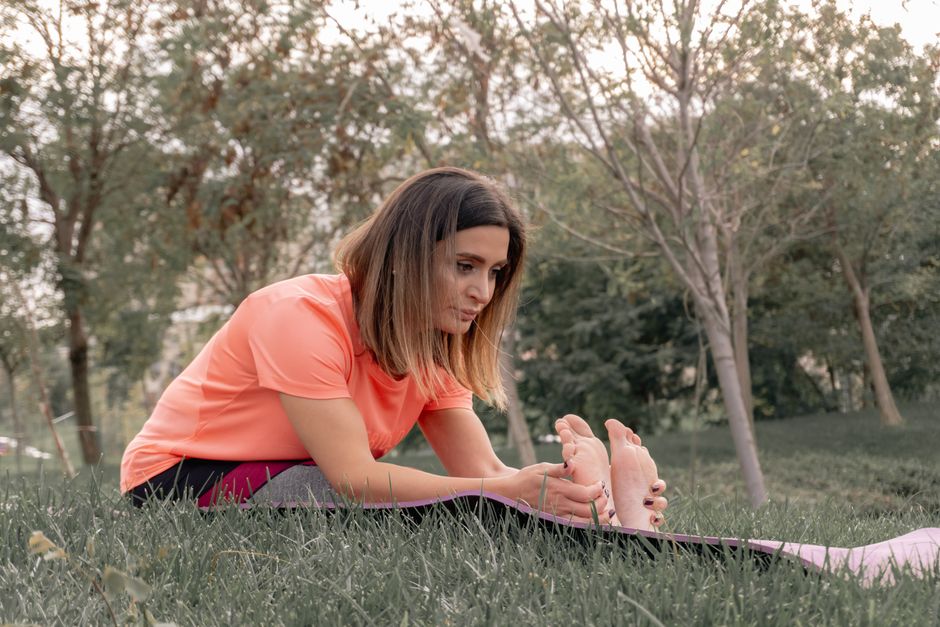
Lisbon's Câmara Municipal has confirmed a significant expansion of its free senior fitness initiative, launching 14 new weekly group exercise sessions across eight parishes starting 7 July 2026. The program, branded under the council's existing Lisboa Ativa Sénior framework, targets residents aged 60 and over with no fitness prerequisites and no registration fee.
The push comes at a moment when public health professionals across Europe are sounding alarms about sedentary lifestyles among older urban populations. A 2025 report by the European Centre for Disease Prevention and Control found that adults over 65 who engage in regular moderate physical activity reduce their risk of cardiovascular hospitalisation by roughly 28 percent. In a city where summers routinely push temperatures above 35°C, outdoor mobility among seniors drops sharply from June onward — and indoor, council-run alternatives have historically been scarce and, in many cases, prohibitively expensive through private gyms.
Where the Sessions Are Running
The council has pinpointed several accessible venues distributed across Lisbon's distinct neighbourhoods. In Parque das Nações, sessions are held three mornings a week inside the Pavilhão Multiusos de Lisboa, starting at 8:30 a.m. — early enough to beat the heat. In Belém, the Jardim Botânico Tropical on Rua da Junqueira hosts outdoor low-impact mobility classes on Tuesday and Thursday afternoons, with a covered fallback space confirmed for high-temperature days. The Junta de Freguesia de Alvalade has separately confirmed two weekly sessions at its community hall on Praça de Alvalade, focused on chair-based resistance training designed for participants with limited joint mobility.
The Agrupamento de Centros de Saúde Lisboa Central, the regional health cluster that covers several of these parishes, has been formally partnering with the council to help identify participants through GP referrals. Doctors in the network can now flag eligible patients directly into the program's waitlist system — a coordination model that several other European municipal governments, including Barcelona's Ajuntament, have used with measurable success since 2022.
What the Program Actually Involves
Each session runs 45 minutes and is led by certified exercise specialists holding qualifications from the Instituto Português do Desporto e Juventude. The curriculum rotates across three formats: functional movement for everyday tasks, balance and fall-prevention training, and low-intensity aerobic work. Participants are encouraged to attend at least two sessions per week. No equipment needs to be purchased — all resistance bands, mats and support props are supplied by the council.
Private alternatives in Lisbon give a useful sense of what the program is displacing financially. A monthly senior fitness class membership at gyms along Avenida da Liberdade typically runs between €45 and €70. For a pensioner on Portugal's average old-age pension of approximately €510 per month — a figure cited by the Instituto da Segurança Social in its 2025 annual data — that cost is a genuine barrier. The council's program eliminates it entirely.
Places are limited to 20 participants per session to maintain instructor-to-participant ratios, and some morning slots in Parque das Nações are already close to capacity after word spread through local centros de dia. Residents not yet registered should contact their local Junta de Freguesia directly or call the Câmara Municipal's dedicated line at 213 177 000 — the council says calls are being handled in under five minutes during weekday office hours. Anyone with existing conditions should check with their family doctor before beginning any new exercise routine, as personal health circumstances vary significantly.
The program is funded through the European Social Fund+ allocation that Portugal's government secured under its 2024–2030 Plano de Desenvolvimento Regional, meaning its continuity beyond December 2026 depends partly on usage figures gathered this summer. Organisers say they want numbers — the more seniors who register and attend, the stronger the case for permanent funding in next year's municipal budget cycle.