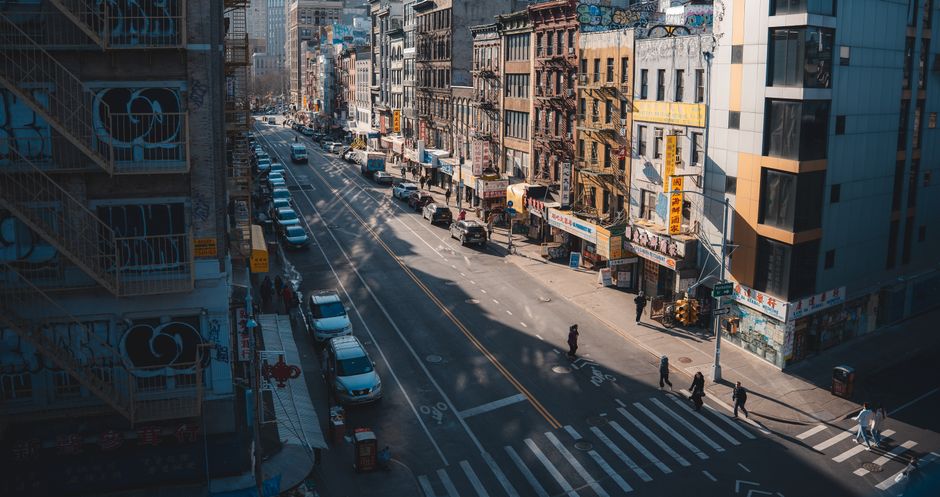
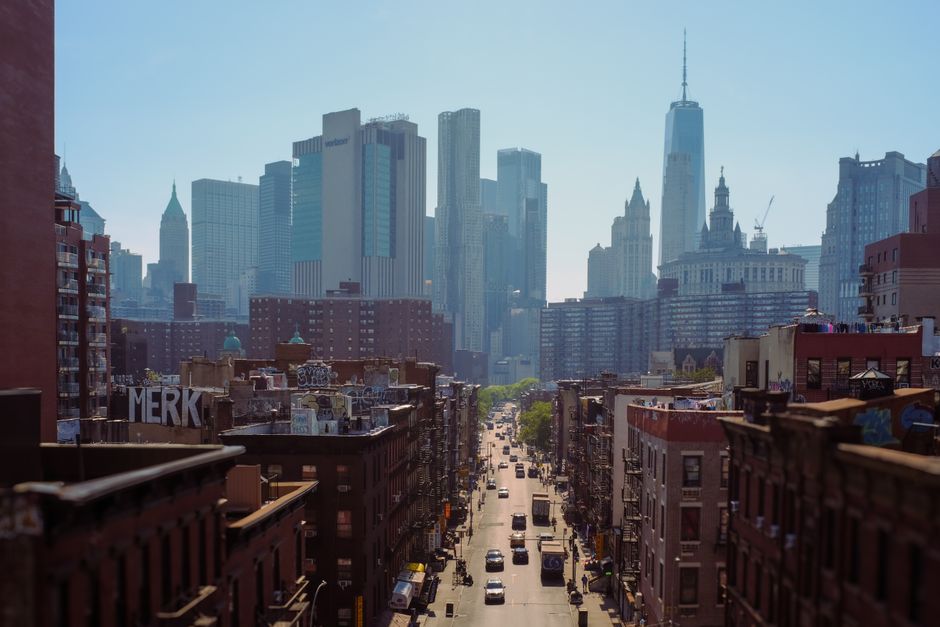
Lisbon's housing affordability crisis reached a new flashpoint this week after the Câmara Municipal confirmed that median monthly rents in Mouraria and Intendente have crossed €1,800 for a two-bedroom flat — a figure that local economist and Nova SBE researcher Filipa Carvalho called "structurally incompatible" with the wages of the city's service workers. That number, up roughly 23 percent since January 2024, is driving a fresh round of political friction between the Montenegro government in São Bento and Lisbon's city hall, where mayor Carlos Moedas has been pressing for faster implementation of the national rent stabilisation framework agreed last autumn.
The timing matters because the Golden Visa programme's reformed rules, which took effect on 1 January 2026, were supposed to redirect foreign capital away from residential property and into venture funds and scientific research. Municipal planners and housing advocates say the data so far is mixed at best. Aprovações for new short-term rental licences in Belém dropped 34 percent in the first quarter of 2026 compared to the same period last year — but rents in the historic centre have kept climbing, driven by a digital nomad population that shows no sign of thinning out.
The NATO Factor — and What It Means for Prices in Oeiras
The impending arrival of NATO's Communications and Information Agency hub to the Tagus Technology Corridor near Oeiras — confirmed by the Portuguese defence ministry in May — is adding a new layer of complexity. Oeiras municipal officials have acknowledged publicly that they expect an influx of several hundred well-paid international staff within eighteen months. Real estate agencies operating along the Linha de Cascais, including Century 21's Estoril branch, say they are already fielding pre-emptive enquiries from Brussels-based relocation consultants. Economists and local councillors in Oeiras are divided: some see it as a long-overdue economic anchor; others warn it will accelerate the same pricing spiral that has hollowed out central Lisbon neighbourhoods.
At the Universidade de Lisboa's Centre for Geographical Studies, urban analyst Pedro Ramalho told a public seminar on Wednesday that the city needs binding density targets in the Baixa and Parque das Nações corridors before the NATO campus is operational, or risk compounding existing displacement pressures. His team's modelling, presented at the Fundação Calouste Gulbenkian on 1 July, projects that without intervention, average asking prices in Oeiras could rise a further 15 to 18 percent by mid-2027.
Tourism Overcrowding Gets a Political Edge
On the streets of Alfama, the summer crowds are already dense. The Juntas de Freguesia of Santa Maria Maior and São Vicente have both formally requested that the city hall cap the number of tuk-tuks licensed to operate in the hillside neighbourhood, citing resident complaints and emergency vehicle access problems on Rua do Vigário and Escadinhas de Santo Estêvão. The request has been sitting with the Câmara's mobility department since May with no public response as of 3 July.
Turismo de Lisboa, the city's official tourism board, reported 4.1 million overnight stays in the first five months of 2026 — a record pace that puts the year on track to exceed 2019's full-year figures. Board officials have publicly championed a dispersal strategy pushing visitors toward Alcântara and the LX Factory corridor, but hospitality industry sources say those messages are not reaching the charter groups and cruise passengers who spend a single afternoon climbing to the Castelo de São Jorge before moving on.
For residents navigating all of this, the most immediate practical development is the expansion of the Renda Acessível programme, which offers Câmara-subsidised leases to qualifying applicants earning between €1,200 and €2,500 per month. Applications for the next tranche of 340 units — located in Marvila and Beato — open on 15 September. Housing advocates at Habita Portugal are urging eligible residents to register interest now, warning that previous rounds were oversubscribed within seventy-two hours of opening.