Gold hit $4,187 per troy ounce on Friday, up 4.1% in a single session, and the number matters more than most Lisbon savers realise. The metal's relentless climb this year has become something of a barometer for a broader anxiety: that the era of low borrowing costs, stable prices and easy returns is over. For anyone in this city managing a mortgage, a pension pot or a modest investment account, Friday's market snapshot offers a useful map of where risk and relief currently sit.
Start with equities. The S&P 500 closed at 7,483, up 1.71%, and the Nasdaq Composite added 1.87% to reach 25,833. Those are strong numbers, and Lisbon investors with exposure to global equity funds, particularly through the growing range of exchange-traded funds listed on Euronext Lisbon, will have seen their balances nudge upward. The gains were broad-based rather than concentrated in a handful of names, which tends to signal genuine risk appetite rather than speculative froth. That said, US tech-heavy positions have had a volatile first half of 2026, and a single day's rally is no reason to overhaul a portfolio built around long-term objectives.
The Currency Shift and What It Costs You at Home
The euro strengthened to $1.1440 against the dollar on Friday, up 0.47% on the day. For Lisbon consumers, this has two direct effects. First, imported goods priced in dollars, think electronics, some foodstuffs and energy inputs, become marginally cheaper as the euro buys more. Second, any savings or investments denominated in dollars are worth slightly less in euro terms today than they were a week ago. Residents with dollar-denominated accounts or US-listed holdings should factor this currency movement into how they read their returns. The euro has been on a gradual strengthening path in recent months, so this is not noise; it is a trend worth tracking.
Oil tells a different story. WTI crude fell 2.78% to $68.78 per barrel. Lower oil prices historically feed through to cheaper pump prices and, with a lag, lower utility bills and transport costs. For a household in the Almada or Setúbal belt commuting daily into Lisbon, that is tangible relief. Energy costs have been one of the stickier components of Portuguese household inflation, so a sustained dip in crude, if it holds, should offer some easing in the months ahead. Heating oil and electricity tariffs are not repriced overnight, but the direction is favourable.
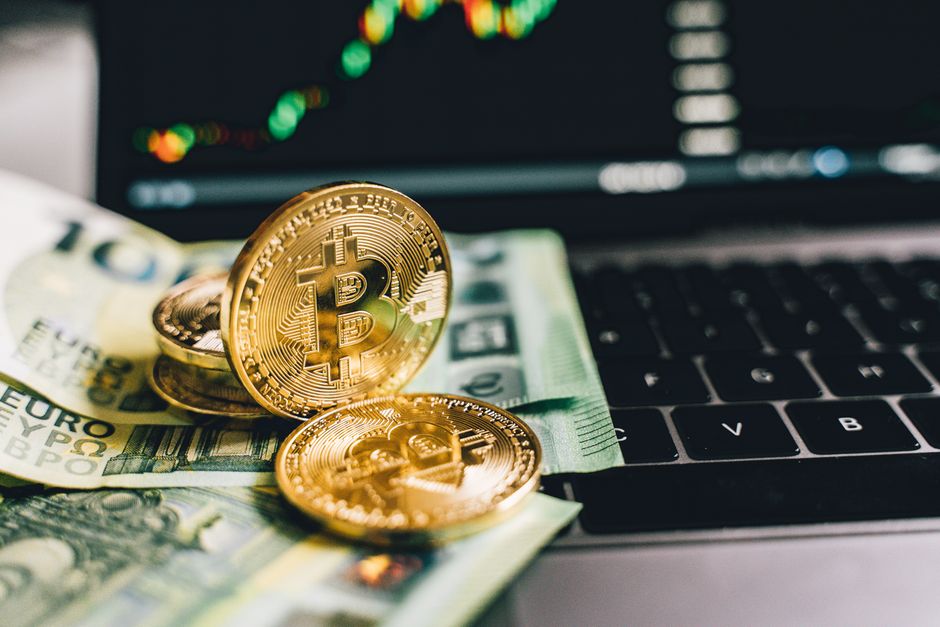
Bitcoin surged 6.66% to $62,456. The move is consistent with a broader risk-on day across markets. For the relatively small share of Lisbon residents who hold cryptocurrency as part of their savings, Friday was a good session. But the volatility remains extreme. Bitcoin has moved more than 20% in either direction during several stretches of 2026, which disqualifies it as a substitute for stable savings products for most households. Treat any crypto holding as a speculative allocation, capped at a proportion of your portfolio you could genuinely afford to lose.
On mortgages, the picture is more nuanced. Euribor rates, which underpin the vast majority of Portuguese variable-rate home loans, have been edging lower through the second quarter of 2026 as the European Central Bank in Frankfurt has maintained a cautious easing stance. If you took out a variable-rate mortgage on a Lisbon property in 2022 or 2023 at the peak of the rate cycle, your monthly repayments are likely lower now than they were eighteen months ago, but they remain significantly above pre-2022 levels. Homeowners due for their annual or semi-annual Euribor reset should request a precise recalculation from their bank rather than assuming the adjustment is automatic and correct.
Savings rates across Portuguese retail banks have compressed. The Banco de Portugal's most recent consumer banking data showed average term-deposit rates declining from their 2024 highs. Anyone holding cash in a standard current account is almost certainly earning close to nothing. Short-duration Portuguese government bonds, available through CTT's public debt platform Aforro, have been offering more competitive returns and carry negligible credit risk for residents comfortable holding to maturity. With gold at all-time highs and equity markets elevated, cash sitting idle in a Caixa Geral de Depósitos current account is effectively losing purchasing power in real terms.
The broader picture for July 2026 is this: global markets are not signalling recession, but they are signalling persistent uncertainty, and gold's surge to $4,187 is the clearest expression of that. For Lisbon households, the practical checklist is straightforward. Review variable-rate mortgage terms before the next Euribor reset. Move idle cash into yield-bearing instruments. Keep currency exposure in view if you hold dollar assets. And treat any single day's rally in US tech or Bitcoin as information, not instruction.