Gold hit $4,187 a troy ounce on Friday, a 4.1 percent single-session gain that few analysts would have predicted even a month ago, while American equity benchmarks posted their strongest day in weeks. The S&P 500 closed at 7,483, up 1.71 percent, and the Nasdaq Composite finished at 25,833, a gain of 1.87 percent. For a Lisbon resident watching this from a café on Avenida da Liberdade, the instinct might be to shrug. That would be a mistake. These moves have direct, measurable consequences for Portuguese savings accounts, pension funds invested in global equities, mortgage rates anchored to euro-zone benchmarks, and the cost of filling a car.
Start with the currency. The euro rose 0.47 percent against the dollar to trade at 1.1440, a level that makes European imports from the United States marginally cheaper and nudges down the cost of goods priced in dollars, including energy. WTI crude oil fell 2.78 percent to $68.78 a barrel on Friday, which, combined with the stronger euro, gives Portuguese fuel retailers some room to trim pump prices in the coming days. Prices at the pump in Portugal track international oil markets with a lag of roughly a week, so commuters and businesses running delivery fleets should watch for relief early next week, assuming the oil move holds.
What the Gold Surge and Stock Rally Mean for Portuguese Pensions
The simultaneous rally in gold and equities is unusual, and it tells a specific story. Gold at this level is being driven by investors seeking a hedge against currency debasement and geopolitical uncertainty, not simply by dollar weakness. Portuguese pension funds, including those administered through the Caixa Geral de Aposentações system and private occupational schemes, typically hold a modest allocation to gold through exchange-traded products or commodity funds. That allocation is performing exceptionally well this year. Workers approaching retirement who hold balanced or growth-oriented pension portfolios should ask their fund administrator for a current breakdown of their commodity exposure; the gain in gold alone could have added meaningfully to fund valuations.
Equity allocations in those same pensions are also having a good day. Many Portuguese private pension products sold by institutions including Fidelidade and Generali Portugal carry significant exposure to US and global equity indices, often through funds tracking the S&P 500 or the MSCI World. A 1.71 percent day on the S&P 500 sounds modest in isolation, but compounded over a year of similar sessions it represents serious portfolio growth. The critical caveat is the currency effect: gains booked in dollar-denominated funds are partially eroded when converted back to euros at a rate of 1.1440. Investors should request euro-hedged fund versions from their advisers if they have not already done so.
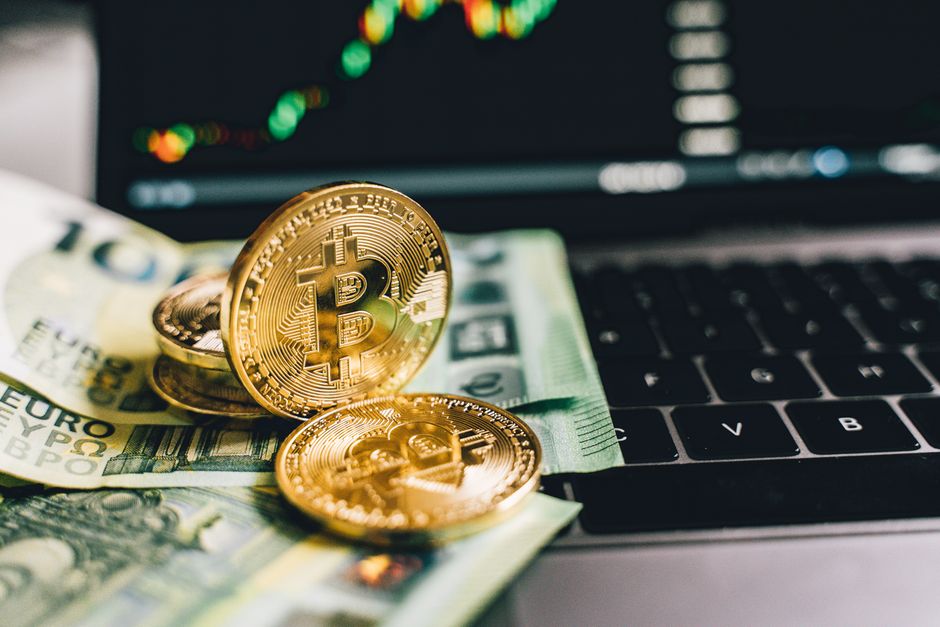
Bitcoin rose 6.66 percent to $62,456 on Friday. Portuguese tax law treats cryptocurrency gains as capital income, taxed at 28 percent for assets held under 365 days. Residents who bought bitcoin earlier this year and are sitting on gains should consult a tax adviser before selling, particularly if they are approaching the one-year holding threshold that triggers a more favourable zero-percent rate under legislation passed in 2023. This is not an abstract concern; at $62,456 with a 6.66 percent daily move, the difference between selling on the wrong day and waiting can run to thousands of euros in tax liability.
Lisbon's residential mortgage market deserves attention in this context. The six-month Euribor rate, to which the majority of Portuguese variable-rate mortgages are indexed, has been edging lower as European Central Bank policy leans toward accommodation. A stronger euro and falling oil prices both reduce inflationary pressure in the euro zone, which supports the case for the ECB to hold or cut rates at its next policy meeting in late July. Homeowners on variable-rate contracts reviewing in the third quarter of 2026 should see slightly lower monthly instalments compared with a year ago, though the precise movement will depend on Euribor fixings closer to their review date. Fixed-rate products offered by Banco BPI and Santander Portugal have also been repricing downward, according to rate comparison data publicly available on the Banco de Portugal website.
The broader picture for a Lisbon household holding a diversified portfolio today is cautiously constructive. Stocks are up, gold is sharply higher, oil is cheaper, and the euro is gaining ground. The risks have not disappeared: high gold prices often signal that sophisticated money is nervous about something. But for ordinary residents managing pension contributions, mortgage renewals and everyday spending, Friday's data is, on balance, a good day. The job now is to make sure those gains in pension funds and currency-sensitive investments are properly accounted for and not left to drift unexamined until the end-of-year statement arrives.