Gold hit $4,187 a troy ounce on Friday, a gain of more than 4% in a single session, and that one number captures the mood across global trading desks better than any earnings release or central bank statement could. Wall Street rallied hard, with the S&P 500 climbing 1.71% to 7,483 and the Nasdaq Composite jumping 1.87% to 25,833, yet the safe-haven bid in gold accelerated anyway. When equities and bullion rise together, it rarely signals confidence. It signals hedging. Lisbon investors holding positions in global equity funds are sitting on paper gains today, but the composition of this rally deserves scrutiny before anyone celebrates.
The euro added to recent strength, climbing 0.47% against the dollar to reach 1.1440. For Portuguese households and businesses with euro-denominated savings or liabilities, that currency move has real consequences. Imports priced in dollars, from energy to electronics, become marginally cheaper at this rate. Pension funds with heavy allocations to unhedged US equities, however, will find that dollar weakness quietly erodes the euro-translated value of those gains, even as the index numbers look strong in New York. The net effect on a balanced Portuguese retirement portfolio is closer to neutral than the headline S&P figure implies.
Crude oil told a different story. WTI fell 2.78% to $68.78 a barrel, a meaningful drop that reflects softening demand expectations rather than supply disruption. Lower oil prices are a direct input cost relief for Portuguese industry, particularly for the transport, ceramics and paper sectors that anchor the country's manufacturing base. EDP Renováveis, listed on Euronext Lisbon, operates in an environment where fossil fuel pricing shapes the competitive economics of renewables; cheaper oil complicates the short-term investment case for new capacity even as it lowers operating costs elsewhere across the economy.
Bitcoin's 6.6% Surge and the Risk Appetite Paradox
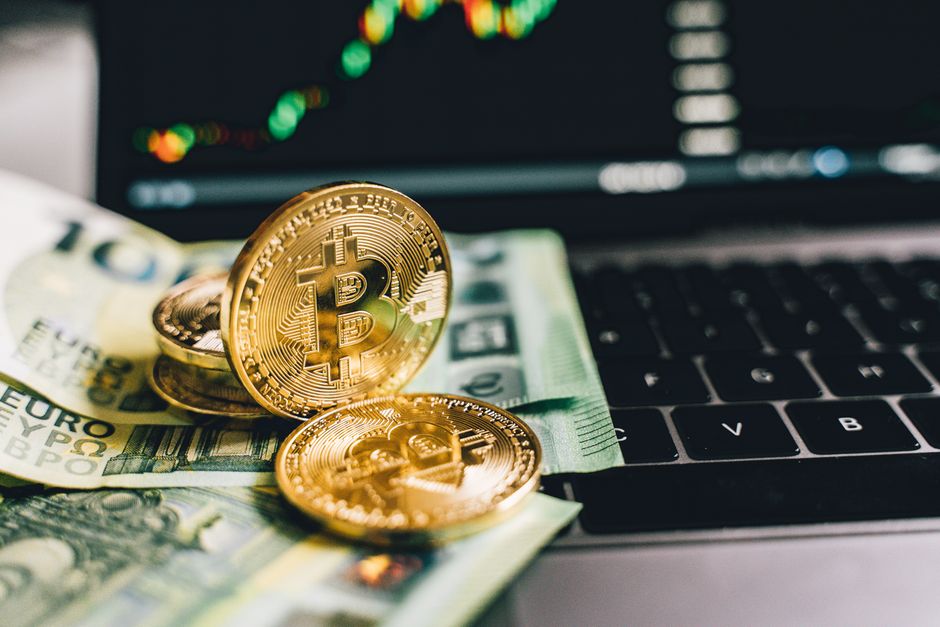
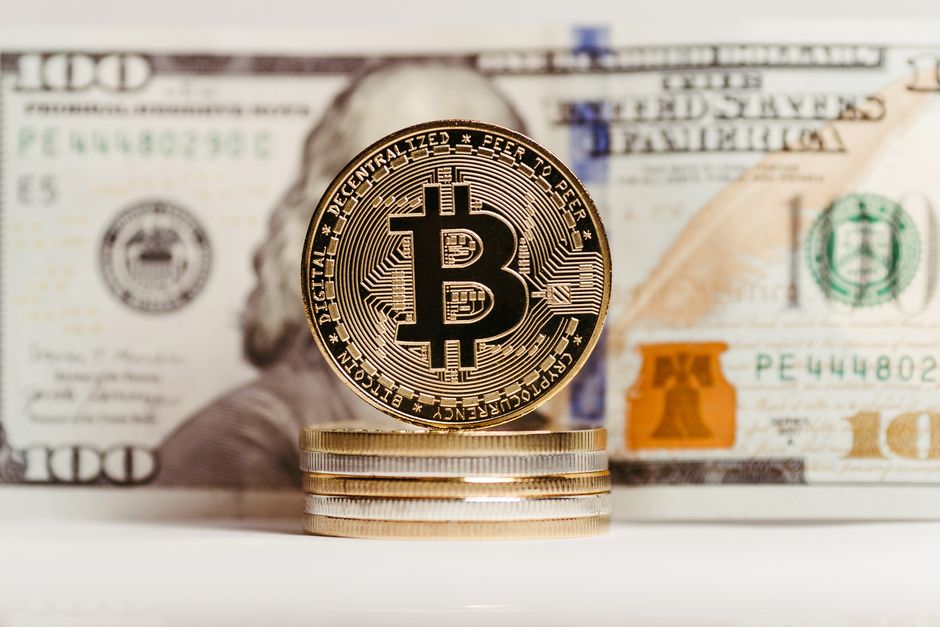
Bitcoin jumped 6.66% to $62,456, its sharpest single-day move in weeks. That kind of swing arriving on the same session as a 4% gold rally is not the contradiction it appears to be. Both assets are functioning as alternatives to dollar-denominated sovereign debt at a moment when the fiscal trajectory of the United States is generating discomfort among institutional allocators in Europe and Asia. Bitcoin's move is partly mechanical, driven by derivatives positioning and thin holiday-week liquidity with US markets observing Independence Day, but the directional signal aligns with gold: investors are diversifying away from traditional reserve assets.
Lisbon-based retail investors with crypto exposure through platforms regulated under MiCA, the European Union's Markets in Crypto-Assets framework that took full effect in 2024, will have seen those positions surge today. The volatility remains extraordinary by any fixed-income or equity standard. A 6.66% daily move in Bitcoin is the equivalent of the entire S&P 500 swinging by more than 497 points; it is not a normal risk profile, and the current rally does nothing to change that underlying reality for portfolio construction purposes.
The driver of today's cross-asset volatility can be traced to a single persistent condition: uncertainty about the pace of Federal Reserve easing, the durability of US growth, and the geopolitical premium embedded in everything from energy contracts to currency reserves. European investors have an additional layer of domestic complexity, with fiscal consolidation pressures in several eurozone members and the European Central Bank balancing its own rate path against a currency that keeps strengthening against the dollar. A euro at 1.1440 is good for purchasing power but creates headwinds for Portuguese exporters, including the country's significant cork, wine and tourism-adjacent goods sectors, when they price into dollar markets.
The week ahead will bring a clearer test. US non-farm payrolls data, delayed by the Independence Day holiday, combined with any fresh signals from ECB officials in Frankfurt, will determine whether today's rally consolidates or reverses. Gold holding above $4,000 into next week would confirm that the hedging impulse is structural. A retreat toward $3,900 would suggest today was opportunistic positioning by momentum traders rather than a genuine rotation. For investors managing balanced portfolios out of Lisbon, the practical checklist is straightforward: review currency hedge ratios on US equity exposure, note that oil's decline is a tailwind for input costs domestically, and treat Bitcoin's surge as a signal worth watching but not one that demands immediate repositioning. The volatility is real. The narrative explaining it is still being written.