Lisbon's cultural calendar has never looked more crowded. The city has become an unlikely hub for theatre and live performance, pulling in visitors who would previously have skipped Portugal entirely for Berlin or Barcelona. Summer 2026 is proving the point: venues across the Alcântara and Príncipe Real neighbourhoods are booked solid through August, with international productions mixing alongside homegrown Portuguese work that's finally gaining serious international attention.
The shift reflects a broader investment in the city's cultural infrastructure over the past five years. After years of relying on fado tourism and the Gulbenkian Foundation's museum offerings, Lisbon has quietly built a genuine theatre ecosystem. Younger Portuguese companies are attracting co-productions from Spain and France. Audiences are growing. And crucially, ticket prices remain substantially lower than comparable venues in Western European capitals—a factor that's driving word-of-mouth among budget-conscious culture tourists.
Where to Look: The Venues That Matter
Teatro Camões in Belém remains the city's flagship venue, hosting both Portuguese national companies and touring international productions. A recent production of a contemporary reworking of Camões' epic drew audiences for three months straight. But the real action has shifted eastward. In Alcântara, the sprawling Fábrica Braço de Prata—a former industrial complex near the Tagus waterfront—now houses three separate performance spaces that host everything from experimental theatre to contemporary dance. The venue's raw concrete walls and exposed pipe work have become a signature aesthetic for Lisbon's younger theatre scene.
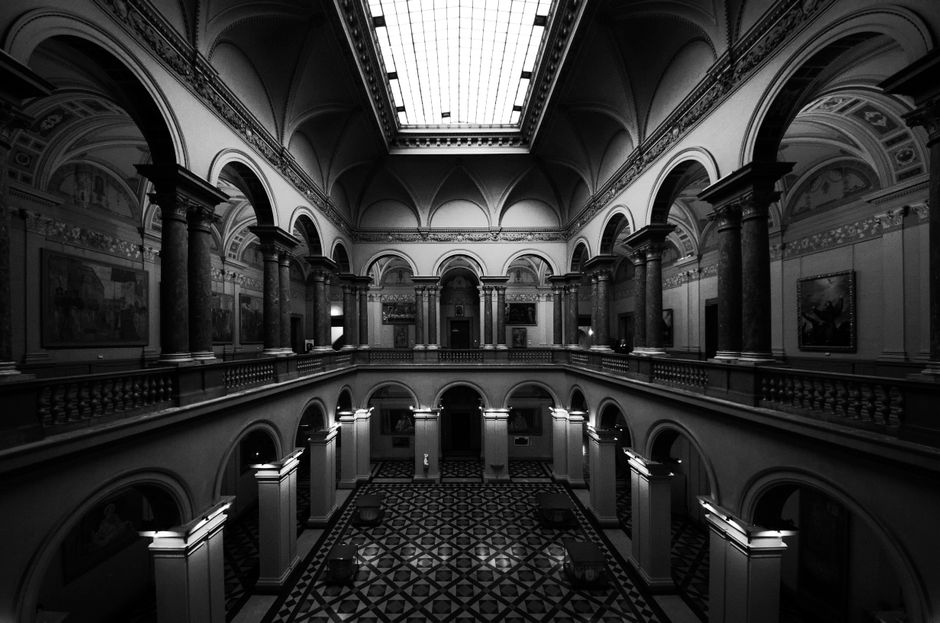
For serious music theatre and opera, the Teatro Nacional de São Carlos in Chiado offers a more traditional setting. The neoclassical building itself is worth the visit: all gilt boxes and red velvet, it harks back to the city's 18th-century opera boom. Current productions run through mid-September, with ticket prices ranging from €15 to €65 depending on seating. The Cinemateca Portuguesa, also in Chiado near Largo do Camões, pairs arthouse cinema with occasional live performance events, drawing a different crowd altogether—students, intellectuals, and tourists looking for something beyond the obvious.
The Numbers Behind the Boom
Lisbon's performance arts sector saw attendance figures jump 34% between 2023 and 2025, according to data compiled by the Instituto da Cinematografia e do Audiovisual. The Fábrica Braço de Prata alone reported 47,000 visitors last year—triple the 2021 figure. What's driving growth isn't just tourism; it's a younger Portuguese population that's staying in the city longer and spending more on culture. The average ticket price for theatre in Lisbon hovers around €22, roughly half what you'd pay in Madrid or Lisbon's aspirational peer cities.
Programming has diversified considerably. The annual Festa da Música festival in June draws 80,000 people across multiple venues. Summer performance series at outdoor venues like the Jardim do Campo Grande offer free or very cheap access to live theatre and dance. The Gulbenkian Foundation's own theatre programming expanded last year, with a focus on experimental work and artist residencies that keep the city connected to broader European trends.
Practical advice for anyone planning a visit: book accommodation near Príncipe Real or Alcântara rather than the standard Baixa tourist core. Theatres cluster in these neighbourhoods, and you'll avoid the daily grind of tourists queuing at the Cristo Rei statue. Check listings at www.teatrosceanuts.pt or the Fábrica Braço de Prata website directly—English-language coverage of Lisbon's theatre scene remains patchy, so local sites are your best bet. Most major venues offer shows Tuesday through Sunday, with matinee performances on weekends. The city's metro system is efficient and cheap at €1.50 per journey, making venue-hopping manageable even for visitors without perfect Portuguese.
Shows sell out regularly, particularly Friday and Saturday performances, so book ahead. The city's theatre moment won't last forever—others are watching closely—so catch it while the infrastructure is still relatively underdeveloped and the tickets remain affordable.