culture
Lisbon's Top Art Galleries Open Now: Your Summer Guide
From reopened modernist collections to a surging contemporary scene in Alcântara, here's where to spend your July in Lisbon's museums and galleries.
How we reported this
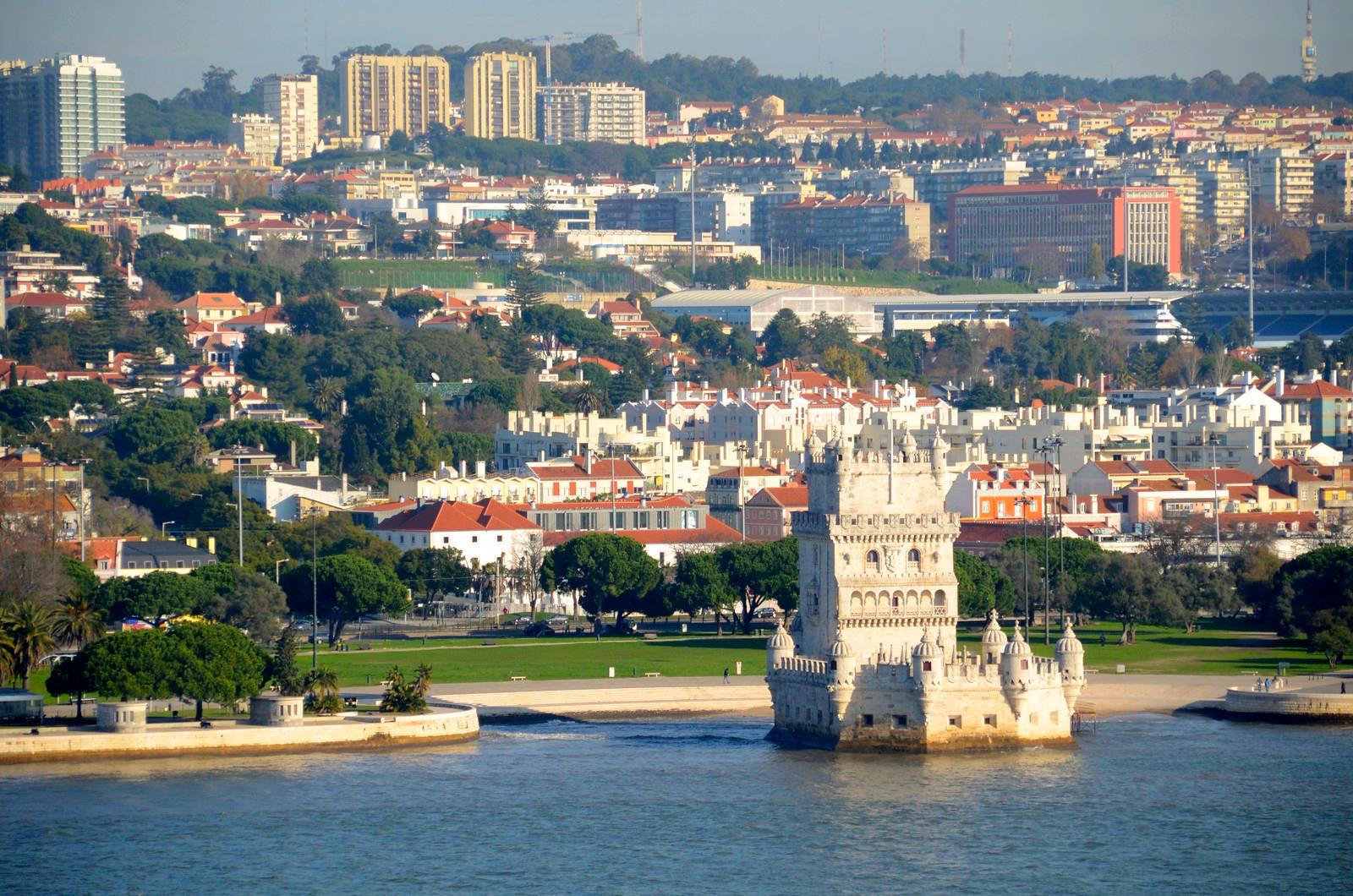
Lisbon's gallery circuit just shifted into high gear. The Museu Coleção Berardo reopened last month after a major renovation of its Belém waterfront building, and its summer programming runs through August with rotating contemporary installations that draw crowds from across the city. The timing matters: with Europe sweltering through another heatwave and travel becoming increasingly unpredictable, Lisbon's cultural institutions are seeing a surge of both local visitors and tourists seeking cooler indoor spaces.
The city's arts scene has transformed dramatically over the past three years. What was once a sleepy secondary destination for European contemporary art has become a serious player, driven partly by cheaper studio rents and gallery spaces than Madrid or Barcelona, but also by a genuine ecosystem of younger Portuguese artists and curators willing to experiment. The heat waves that killed over 2,000 people across France this spring have also pushed cultural tourism patterns eastward-Lisbon sits at the edge of the peninsula, with milder coastal temperatures and beaches within reach of the city center.
The big draws in Belém and Alcântara
Start at the Museu de Arte Contemporânea in Parque das Nações. Through September 15th, they're running "Silêncios Ruidosos," an exhibition focused on Portuguese artists from the 1960s and 70s who worked under dictatorship. The show features over 80 works, many rarely loaned outside the country. Entry costs €10, and the museum is open daily from 10 a.m. to 6 p.m. Wednesday nights extend until 10 p.m. for the museum's "Noites do Museu" program, where they serve local wine and rotate DJs.
The real discovery right now sits further west, in Alcântara. The neighbourhood's industrial waterfront has attracted a cluster of independent galleries over the past 18 months. Galeria Clara Paradis, tucked into a former tile factory on Rua da Cozinha, just opened its third location and is showing Portuguese photographer Paulo Nozolino's archival work alongside emerging video artists. Five minutes' walk away, the Espaço Espelho collective runs a nonprofit gallery in a warehouse space-they operate on a sliding scale admission model (suggested donation between €2 and €5) and host artist talks on Thursday evenings at 6:30 p.m.
Numbers and practical logistics
The Lisbon Gallery Weekend, held each May, now attracts over 12,000 visitors, according to the Associação de Galerias de Arte de Portugal. That figure has grown 31 percent since 2023. Average gallery admission across the city runs €5 to €12, though many of Alcântara's independent spaces remain free or donation-based. The Museu Colecção Berardo's permanent collection is free on Sundays, with paid admission of €15 Tuesday through Friday.
Heat management is practical: museums cluster in two zones-Belém, with the Berardo, the Museu dos Descobrimentos, and the Naval Museum within walking distance, and Parque das Nações, where air conditioning runs heavily in summer months. Both neighbourhoods have metro stations (the red line runs to Belém, the red and yellow lines to Parque das Nações). Getting between them takes about 12 minutes by metro or 25 minutes by tram 15, which offers views across the Tagus.
If you're planning a week in July, prioritize mornings between 9 and 11 a.m. when galleries are quieter and air systems have cooled the spaces. Most institutions close at 6 p.m., though those Wednesday night museum events extend through August. Book ahead if you want to join guided tours at the Berardo-their Portuguese-language tours fill quickly, and English-language tours run only on Saturdays at noon.
The window closes fast. August brings the exodus when Lisboetas leave for beaches and northern Europe, and gallery staff shifts to skeleton crews. By September, the autumn schedule starts rolling out with new exhibitions and programming. This summer pulse-hot streets, packed galleries, the smell of salt from the river mixing with paint and plaster dust from Alcântara's studios-captures the city at a precise moment. If you want to see what's driving contemporary Portuguese art right now, the time is July.