wellness
Lisbon's Hills Transform Daily Walks Into Powerful Mindfulness Practice
Lisbon's hills, riverside paths and historic miradouros make the city an unlikely but perfect classroom for one of the oldest stress-reduction techniques going.
How we reported this
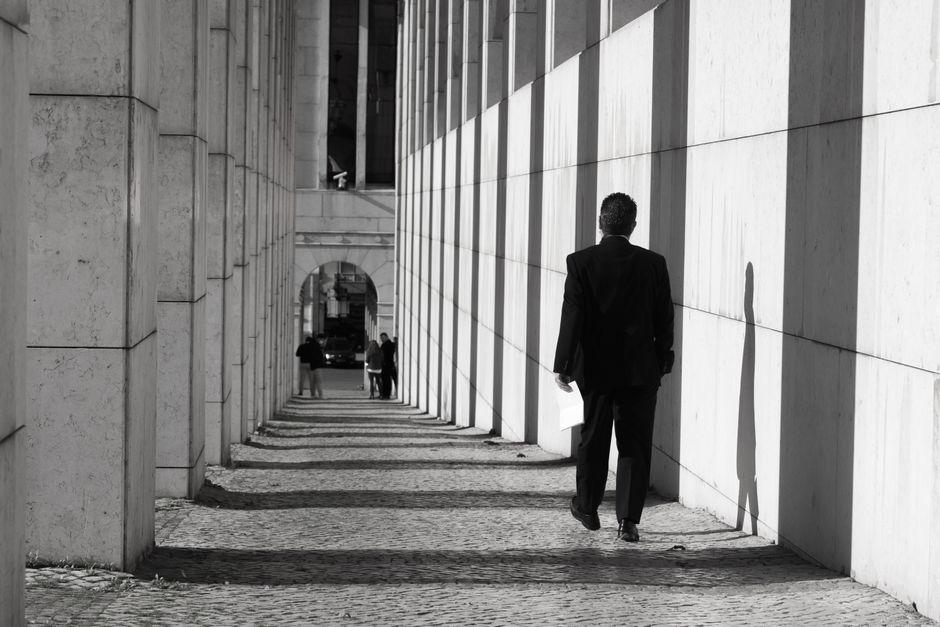
Most Lisboetas already walk more than they realise. The city's famously steep terrain, seven hills, hundreds of calçada staircases, tram routes that defeat even fit tourists, means a daily commute through Alfama or Mouraria can clock 4,000 steps before 9am. What fewer people know is that the same walk can double as a formal meditation practice, no app subscription required.
The timing matters. Burnout reports across southern European urban centres have risen sharply since 2023, and Portuguese workplace stress surveys published by the Ordem dos Psicólogos Portugueses in early 2026 put chronic anxiety among Lisbon adults at roughly 34 percent, a figure the organisation links partly to hybrid work disruption and rising housing costs. Mindfulness-based interventions are moving from corporate wellness brochures into primary care recommendations, and walking meditation sits at the accessible end of that spectrum: free, equipment-free, and already embedded in daily routine.
What walking meditation actually involves
Walking meditation is not a stroll while listening to a podcast. The practice, formalised in Theravāda Buddhist traditions and later adapted by Jon Kabat-Zinn's Mindfulness-Based Stress Reduction programme at the University of Massachusetts in 1979, asks you to narrow attention to the physical mechanics of movement itself, heel strike, weight transfer, toe push-off, while letting peripheral noise register without pursuit. The goal is not silence; Lisbon's Rua Augusta on a Friday afternoon provides none. The goal is deliberate noticing.
Practitioners typically start with a slow, back-and-forth walk across 10 to 15 metres, breathing in for four steps and out for four. Once that rhythm stabilises over a few weeks, sessions move outdoors. Speed is irrelevant. A brisk walk along the Ribeira waterfront from Cais do Sodré to Belém, roughly 6 kilometres, can be as meditative as a ten-minute loop around Jardim do Torel, provided the attention stays anchored to the body rather than the to-do list.
Lisbon has two well-established organisations running structured introduction sessions. The Centro de Meditação de Lisboa, based in Arroios, offers a five-week foundational course that includes one outdoor walking session per week along Alameda Dom Afonso Henriques; the 2026 schedule lists fees at €85 for the full programme, with a sliding scale available. Further west, the Espaço Ser, near Príncipe Real, runs drop-in mindful movement classes every Tuesday morning that incorporate a 20-minute walking segment through Jardim das Necessidades. Both programs emphasise that walking meditation requires no prior meditation experience.
Putting it into practice in the city
The Parque Eduardo VII is the obvious starting point for a first attempt. Its central axis, a straight 400-metre lime-tree corridor from Marquês de Pombal down toward Avenida da Liberdade, gives beginners a clean line without the navigational decisions that fragment attention. Pick a focal point at the far end. Walk toward it. Count breath cycles. Turn. Repeat for ten minutes.
The Miradouro da Graça works differently. The climb itself, up Calçada da Graça from the tram stop, becomes the practice: uneven stone underfoot demands physical attention that naturally displaces rumination. Practitioners who use the route regularly describe arriving at the viewpoint feeling genuinely present rather than merely winded. The neuroscience is supportive: a 2022 meta-analysis published in Frontiers in Psychology, reviewing 31 studies involving 1,234 participants, found that mindful walking interventions produced statistically significant reductions in self-reported anxiety compared to ordinary walking at equivalent distances.
The practical entry point is simpler than most wellness content suggests. Pick one existing daily route, perhaps the ten minutes between Intendente metro station and your office, or the loop around Campo de Santana before dinner. Leave the earphones out for the first five minutes. Fix attention on the sensation of the foot meeting ground. When the mind drifts to rent prices or the inbox, return. That's the whole instruction.
Anyone managing clinical anxiety, depression or chronic pain should speak to a GP or psychologist, the Ordem dos Psicólogos Portugueses maintains a public directory at ordemdospsicologos.pt, before treating walking meditation as a therapeutic replacement. For the majority of people, though, the practice costs nothing and the commute is already paid for.