Wellness
Lisbon Wellness Experts Reveal Sleep Environment Checklist for Better Rest
From Alfama to Alcântara, Lisbon's wellness community is rethinking what happens in the bedroom — before the lights go out.
4 min read
Wellness
From Alfama to Alcântara, Lisbon's wellness community is rethinking what happens in the bedroom — before the lights go out.
4 min read
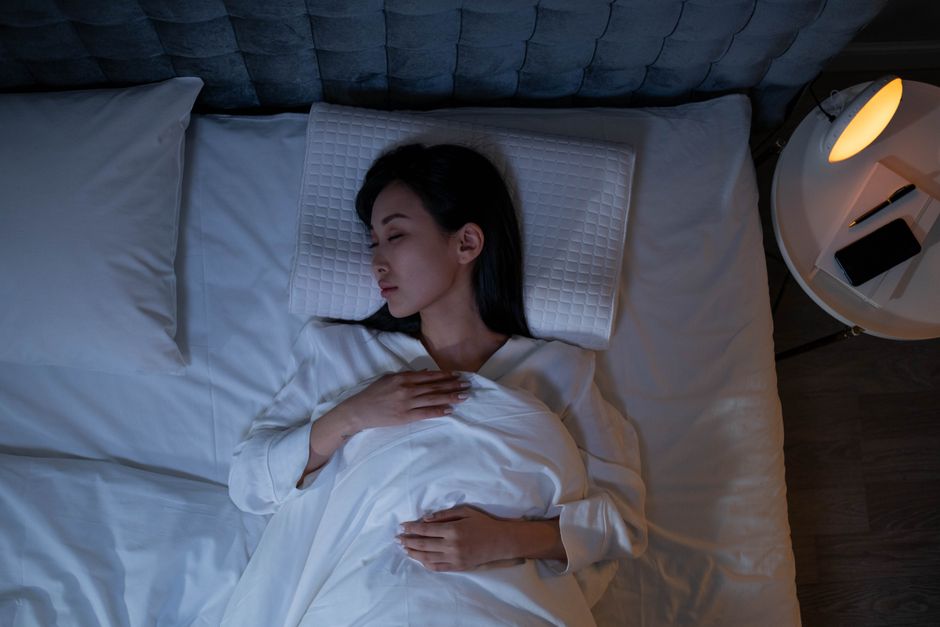
Seven hours. That is the minimum nightly sleep duration the World Health Organization recommends for adults, yet surveys conducted across southern European cities consistently show that urban populations fall short by 45 to 90 minutes. In Lisbon, where summer temperatures in July routinely push past 32°C and the city's famously social nightlife culture keeps residents out past midnight, the gap can be even wider.
The conversation around sleep has shifted meaningfully in 2026. Hormone research published earlier this year renewed public interest in melatonin regulation and circadian rhythm management, while the broader wellness industry — valued globally at more than €5.6 trillion — has poured investment into sleep-specific products and programmes. The result is a flood of advice, much of it contradictory. What sleep specialists and Lisbon-based wellness practitioners broadly agree on is simpler: fix the room before you reach for a supplement.
The bedroom environment checklist begins with light. Blackout curtains are non-negotiable in summer. Lisbon's sun rises before 6:20 a.m. in early July, and even thin linen panels allow enough light to suppress melatonin production in the early hours. The Príncipe Real neighbourhood has seen a cluster of home-goods boutiques stock specialised blackout lining since 2024; Casa das Molduras on Rua Dom Pedro V carries them alongside standard window dressings, priced from €28 per panel.
Temperature comes next. Sleep researchers at the European Sleep Research Society recommend bedroom ambient temperature between 16°C and 19°C for optimal sleep onset. In Lisbon apartments — many of them pre-1970s construction with poor thermal insulation — hitting that range without air conditioning is difficult in July. A portable evaporative cooler, widely stocked at Worten stores across the city including the flagship on Rua do Ouro in Baixa, retails for between €89 and €220 and can drop a small room's temperature by 4 to 6 degrees without the dehydrating effect of conventional AC units.
Sound is the third variable. Tram line 28, which runs through Graça and Alfama until approximately 11:30 p.m., produces noise peaks of 72 to 78 decibels — roughly equivalent to a busy restaurant. For residents along that corridor, white noise machines or silicon earplugs rated above 30 SNR are a practical intervention, not a luxury.
The Sleep Studio, a specialist sleep health consultancy that opened its Lisbon practice in Rua Rodrigues Sampaio in the Avenidas Novas district in March 2025, has developed a six-point bedroom audit it offers to new clients. The audit covers light exposure, thermal environment, sound levels, air quality, mattress age, and pre-sleep device use. Air quality often surprises people — Lisbon's pollen counts peak in June and July, and dust mite concentrations in older apartments are consistently above WHO threshold values. A basic HEPA air purifier, such as the models stocked at Fnac Colombo, runs from €65 and measurably reduces particulate matter within a 20-square-metre room.
Mattress age is also consistently underestimated. The general guideline is replacement every eight years. The Portuguese bedding retailer Sonharte, which has a showroom in the Mouraria district on Rua dos Fanqueiros, reported a 34 percent increase in mattress consultations in the first half of 2026, which staff there attribute partly to the post-pandemic renovation wave still working through Lisbon's housing stock.
Device use before bed remains the hardest behaviour to shift. Blue light from screens delays melatonin onset by up to 90 minutes, according to research published in the Journal of Clinical Sleep Medicine in 2023. A screen cutoff of 60 minutes before sleep is the standard recommendation — or, failing that, blue light filtering glasses, available from several opticians along Avenida da Liberdade from around €35.
Anyone experiencing persistent sleep difficulties — more than three nights of poor sleep per week over a month — should consult a médico de família or a sleep specialist through the SNS, Portugal's national health service, rather than self-managing with supplements or devices alone. The checklist is a starting point, not a prescription.
About this article
Published by The Daily Lisbon
Spread the word
Daily brief
Free, in your inbox before 7am. Weekdays.
The Daily Network — local news across Australia