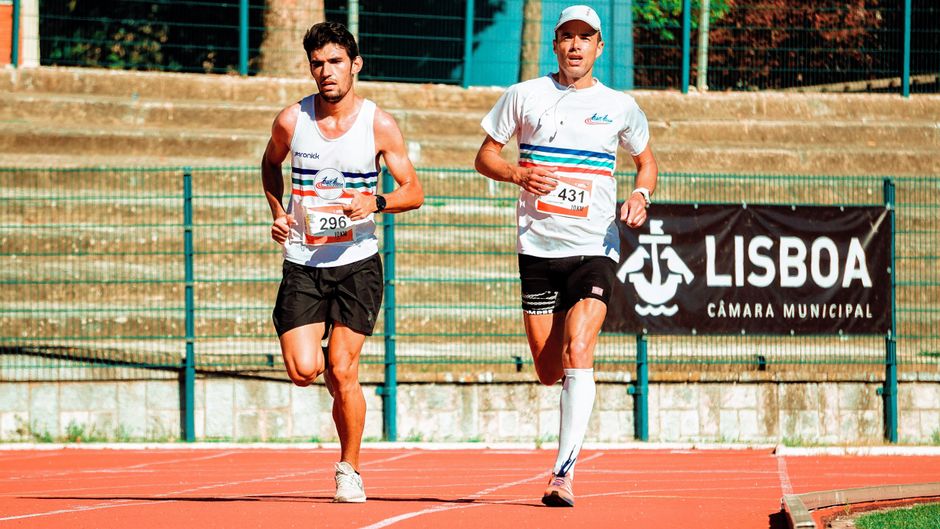
While Estádio da Luz and Estádio José Alvalade dominate Lisbon's sporting landscape, a quieter revolution is unfolding in the city's residential quarters. Local clubs—from Belenenses SAD to smaller neighbourhood organisations—are leveraging their stadiums and training facilities as genuine community hubs, proving that elite infrastructure alone cannot sustain the social fabric of a city.
In Alcântara, Belenenses' modest but historic Estádio do Restelo has become far more than a weekend gathering point. The club recently expanded its youth academy to serve over 400 young players from surrounding bairros, offering subsidised membership to families earning below the median Lisbon wage. The initiative has reduced youth dropout rates in the area by an estimated 23% since 2024, according to local community surveys. Adjacent to the stadium, the club converted an unused training pitch into a public futsal court, now operating six evenings a week for neighbourhood residents.
Similar patterns emerge across the Tagus's eastern bank. In Olivais, the local club Sporting's secondary academy facility has partnered with the parish council to run after-school programmes in adjacent neighbourhoods, reaching children who might otherwise lack structured recreational access. The €340,000 investment reflects a growing recognition among club leadership that community engagement directly correlates with sustainable fan loyalty and local economic resilience.
The economic dimensions matter. A recent study by Lisbon's municipal sports department found that neighbourhood clubs collectively employ over 1,200 people across coaching, administration, and facility management—figures that rival some commercial sectors. Local businesses around these venues report increased foot traffic; cafés near Belenenses' stadium saw 31% growth in evening clientele following the expansion of youth programming.
Yet challenges persist. Many smaller clubs still operate aging facilities; maintenance costs consume budgetary resources that could fund expanded programming. A handful of clubs have successfully crowdfunded stadium improvements through fan associations, raising between €50,000 and €180,000 per campaign.
What distinguishes Lisbon's approach is philosophical. Rather than viewing stadiums purely as revenue generators or monuments to sporting excellence, these grassroots organisations—supported increasingly by municipal policy—treat them as essential infrastructure for social cohesion. In an era when climate displacement, economic inequality, and digital isolation fragment urban communities, Lisbon's neighbourhood clubs demonstrate that a well-maintained pitch and engaged coaching staff remain powerful antidotes to disconnection.
The capital's sporting identity extends far beyond its celebrated giants.
This article was compiled by AI and screened before publishing. See our editorial standards.