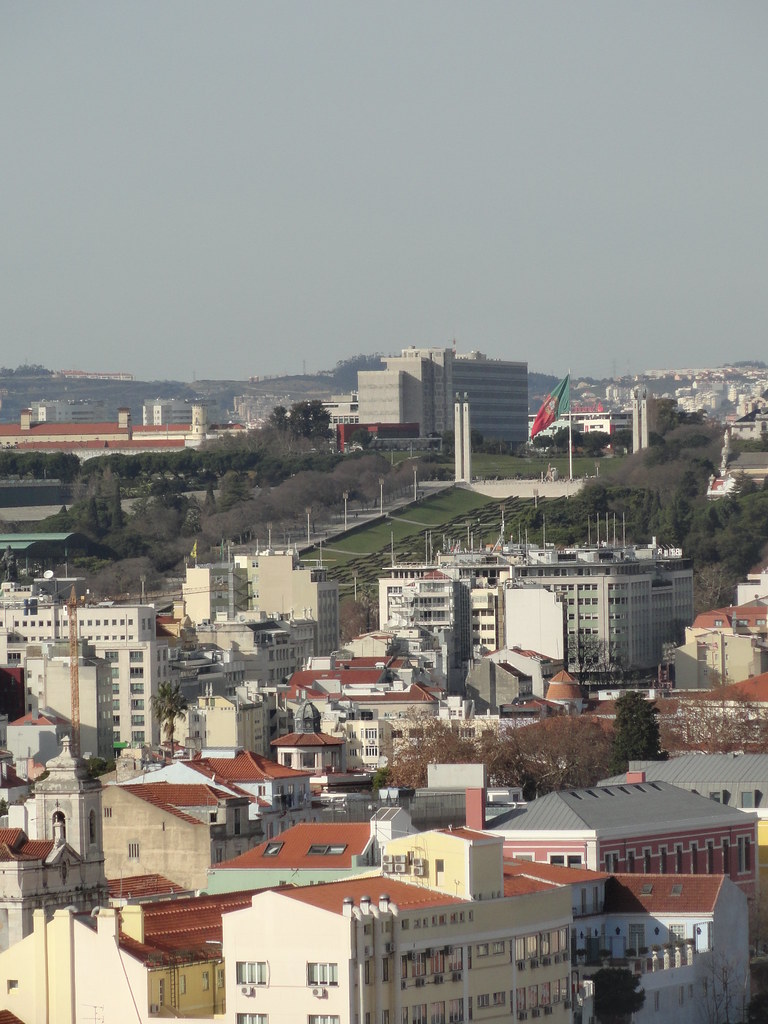
Lisbon’s City Council voted on July 9 to implement a series of cost-of-living relief measures targeting local households experiencing financial strain from inflation and rising utility prices. The package, approved by majority vote, includes expanded energy bill subsidies, reduced public transportation fares for low-income residents, and increased support for food assistance programs.
The measure arrives amid ongoing pressure on household budgets in Lisbon, where inflation reached 5.8% in June this year according to Portugal’s National Statistics Institute (INE). Energy costs in the region have climbed sharply due to global market factors, pushing average electricity and heating bills up by around 12% compared to last year. This has raised concerns among local social workers and economic analysts about the affordability of basic necessities for many families.
Relief Measures and Resident Impact
Under the new rules, eligible households will receive monthly energy subsidies of up to €30, intended to cover a significant portion of rising electricity costs. These subsidies target approximately 25,000 households registered as low income by the Lisbon Municipal Social Services. Additionally, public transport fares for monthly and annual passes will be cut by 15% for residents with incomes below the city’s median salary threshold of €1,200 per month. This discount aims to ease commuting expenses, a significant component in many city workers’ budgets.
Food assistance initiatives will see an injection of €1.5 million into local food banks and community kitchens, allowing for expanded outreach particularly in neighborhoods such as Intendente and Marvila where socioeconomic challenges are most acute. The council’s documentation states that over 40,000 Lisbon residents currently rely on these food support programs at least once a month.
Budget Figures and Policy Details
The relief package is financed through reallocations within the city’s 2026 budget, supplemented by a €5 million fund established earlier this year for social resilience. The budget document outlines that approximately €3.2 million will be directed to energy subsidies while €700,000 covers discounted transit fares. These measures represent a modest but targeted intervention compared to the council’s overall operating budget of €1.7 billion.
Policy analysts note these actions are expected to collectively reduce monthly household expenses by an average of €45 for the eligible population. While not eliminating financial pressure entirely, the council’s report projects these interventions will improve disposable income levels and access to essential services during the current cost pressures.
Implementation begins on August 1 with social service registries updating beneficiary lists and subsidies starting to be credited to accounts. A follow-up evaluation is planned for early 2027 to assess uptake and impact, with potential for program expansion depending on economic conditions. Meanwhile, residents seeking relief can apply for eligibility verification through Lisbon’s municipal website or designated social service offices.