wellness
Lisbon's Top 5 Sunrise Spots Transform City's Growing Wellness Scene
From the hilltops of Alfama to the waterfront at Belém, Lisbon's outdoor spaces are drawing early risers in record numbers, and the city's wellness scene is quietly reshaping itself around them.
How we reported this
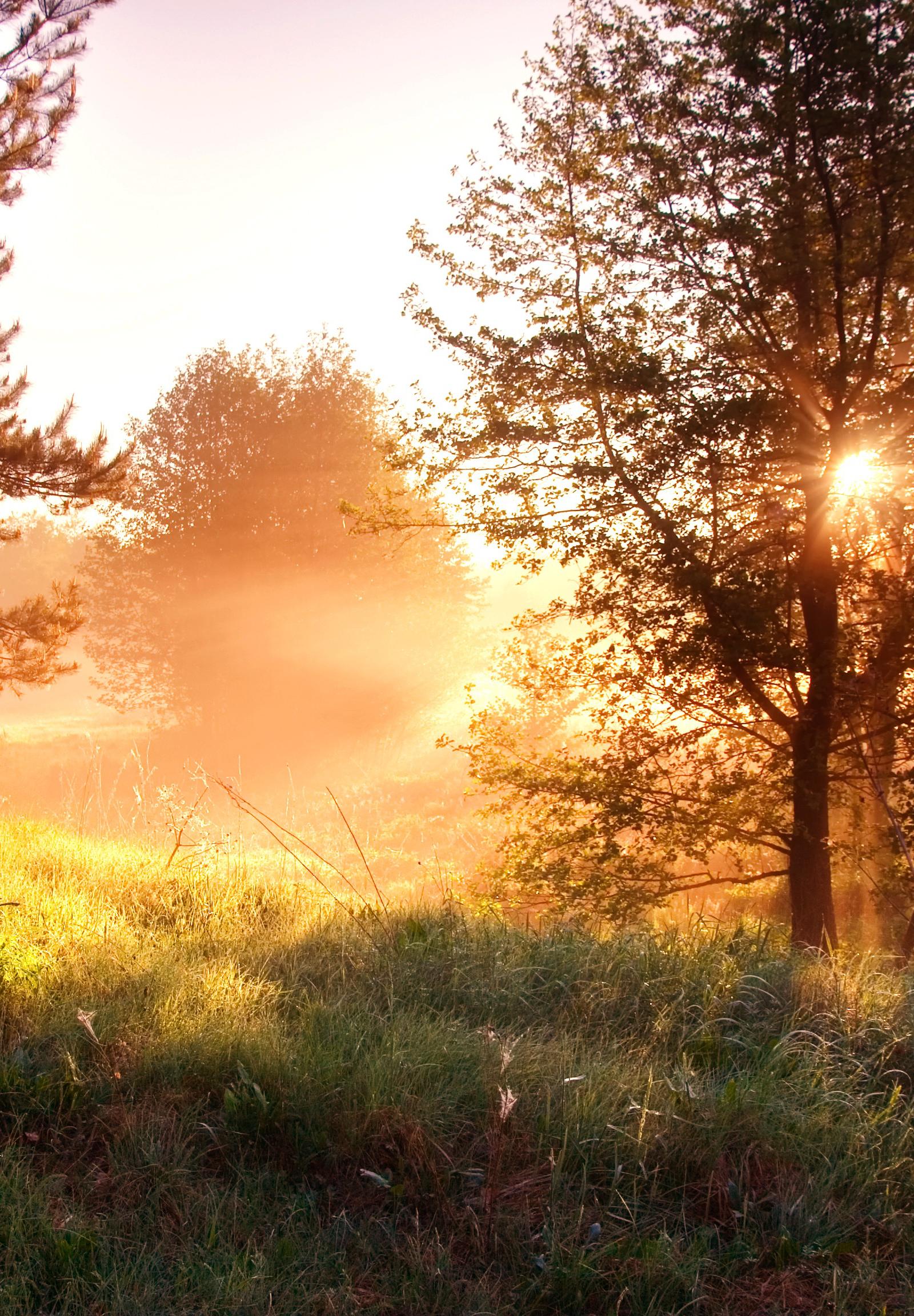
More Lisboetas are setting their alarms before 6 a.m. Attendance at outdoor morning yoga sessions across the city's major parks climbed roughly 34 percent between January and June 2026, according to figures compiled by the Câmara Municipal de Lisboa's parks and recreation department. The shift is not accidental. A combination of rising studio rents, group classes at indoor Lisbon studios now average €16 to €22 per session, and a post-pandemic appetite for open-air practice has pushed practitioners outside, and the city's geography rewards them generously.
Lisbon sits at a latitude where midsummer sunrise arrives just after 6:20 a.m., flooding its seven hills with warm, low-angled light for a good 45 minutes before the city fills with noise. That window has become precious. Hormonal health researchers have long pointed to morning light exposure as a regulator of cortisol and melatonin cycles, and local wellness practitioners are increasingly designing their sessions around that science. For anyone curious about how light, movement and breathwork interact with the body's hormonal rhythms, a conversation with a Portuguese médico de família or a sports medicine specialist at a centro de saúde is the right first step, but the geography of Lisbon gives that conversation a very good backdrop.
Where to Unroll Your Mat
Parque Eduardo VII, on the upper end of Avenida da Liberdade, is the most obvious starting point. The park's central esplanade faces directly south-southwest, which means at sunrise the light catches the terracotta rooftops below and the Tejo estuary beyond in a way that stops people mid-stretch. The Lisbon-based collective Yoga no Parque has held free Saturday sessions here since March 2024, drawing between 40 and 80 participants most weeks. Bring your own mat; the granite pavement near the upper belvedere is smooth enough but unforgiving on bare knees.
Miradouro da Graça, tucked into the Graça neighbourhood above Mouraria, offers something Parque Eduardo VII cannot: intimacy. The small square faces east-northeast, directly into the sunrise, and is flanked by a modest jardim with enough flat flagstone for a dozen practitioners. It sees far less foot traffic than the more famous Miradouro da Senhora do Monte, 400 metres uphill, though both work well on weekday mornings before the tour groups arrive around 9 a.m. The Associação Meditação Lisboa runs a Wednesday sunrise sitting group at Graça, meeting at 6:30 a.m. from May through September; the suggested donation is €3.
Down by the waterfront, the Ribeira das Naus esplanade between Praça do Comércio and the Museu de Arte, Arquitectura e Tecnologia offers flat, wide stone decking directly above the Tejo. Wind can be a factor, bring a light layer even in July, but the horizon is unobstructed and the water reflects the early light in ways that practitioners who commute from Cascais or Setúbal have described, in community forums, as near-cinematic. The Belém riverside path, stretching past the Torre de Belém toward Algés, is another strong option for those willing to travel 6 kilometres west; it is noticeably quieter than the central waterfront and the surface is well-maintained tarmac, suitable for barefoot walking meditations.
Making It a Habit
The practical barriers are low. Lisbon's Metro opens at 6:30 a.m. on weekdays, which means the Green Line can get you from Intendente to Rato, a short walk from Parque Eduardo VII, in under ten minutes. A monthly Navegante pass costs €40, making repeated early-morning trips economically trivial. Most of the city's outdoor yoga communities advertise through Instagram and through notice boards at health food shops along Rua do Século and Rua de São Bento.
July and August present the best conditions: reliably dry, warm by 7 a.m., and with long enough light to practise without a head torch. September brings slightly cooler temperatures that many practitioners prefer for breathwork and longer seated meditations. Whatever the season, arriving fifteen minutes before your planned start time, before the delivery vans, before the pigeons, before the coffee carts, turns a simple park bench into something that functions rather like a monastery. Lisbon, as it turns out, has always been good at that.