community
Lisbon plans a new river terminal at Parque das Nações
The city intends to build a ferry terminal at Parque das Nações, restoring an eastern river link last used during Expo 98.
Listen in English · 2 min
How we reported this
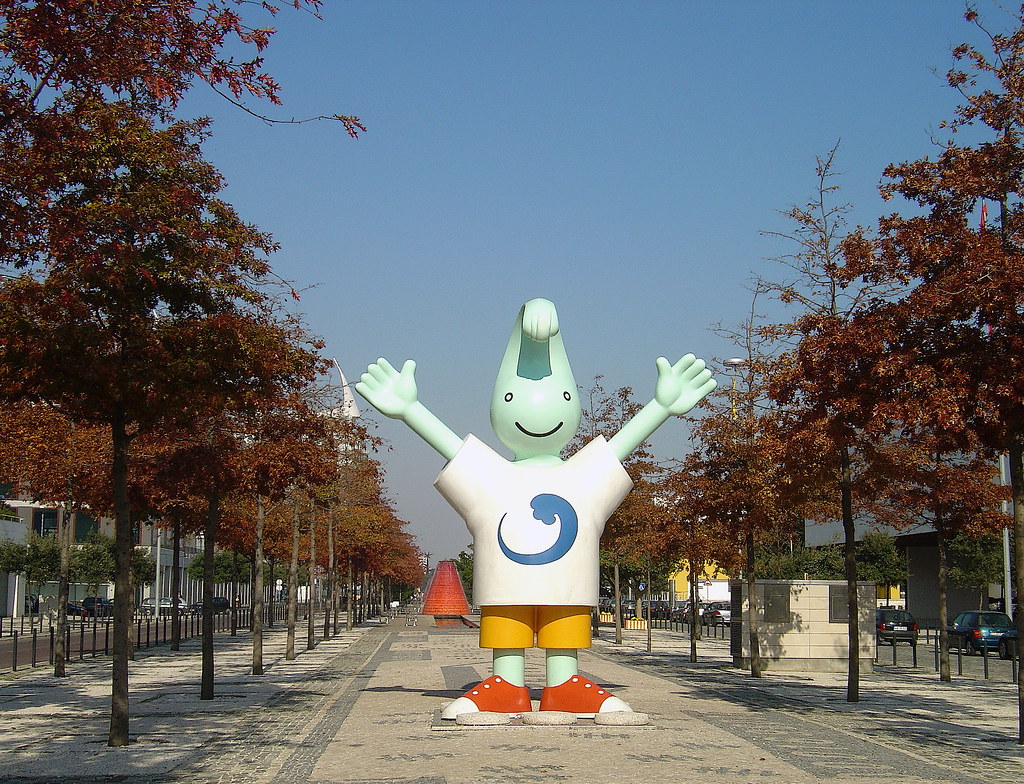
Lisbon is planning to expand its river transport network with a new ferry terminal at Parque das Nações. According to The Portugal News, the city has announced the project as part of a wider effort to make more use of the Tagus for everyday travel.
The plan would restore a connection with history. The Portugal News reports that the terminal aims to revive a river link to the area that last operated during Expo 98, when ferry services helped carry visitors to the exhibition site in the east of the city.
The terminal is intended to broaden the network rather than stand alone. Once it is operational, ferries serving established stops such as Cais do Sodré and Terreiro do Paço are expected to call at Parque das Nações as well, adding a transport hub to the eastern side of Lisbon.
The project is also being considered in the context of major events. According to The Portugal News, the city has looked at how a river terminal could help move large numbers of people to festivals held in the area, including the possibility of a temporary facility for a future edition of a large music festival.
The idea has been developing for some time. The Portugal News notes that the feasibility of a river link to Parque das Nações has been under study by the ferry operator as part of its wider plans for the Tagus, rather than being a sudden decision.
For residents of eastern Lisbon, a working river terminal would add a further option alongside the metro, train and bus links that already serve Parque das Nações. It would also reflect a broader ambition to treat the river as part of the city's everyday transport system, not only as a backdrop. If the plans move ahead as described, the terminal would tie the eastern waterfront more closely into the network of river crossings that already link both banks of the Tagus.
Sources: The Portugal News.