culture
Igreja de Nossa Senhora da Vitória marks Lisbon's post-earthquake rebuild
Classified a Public Interest Monument, the Pombaline church rose from the ruins of the 1755 earthquake over decades of reconstruction.
Listen in English · 3 min
How we reported this
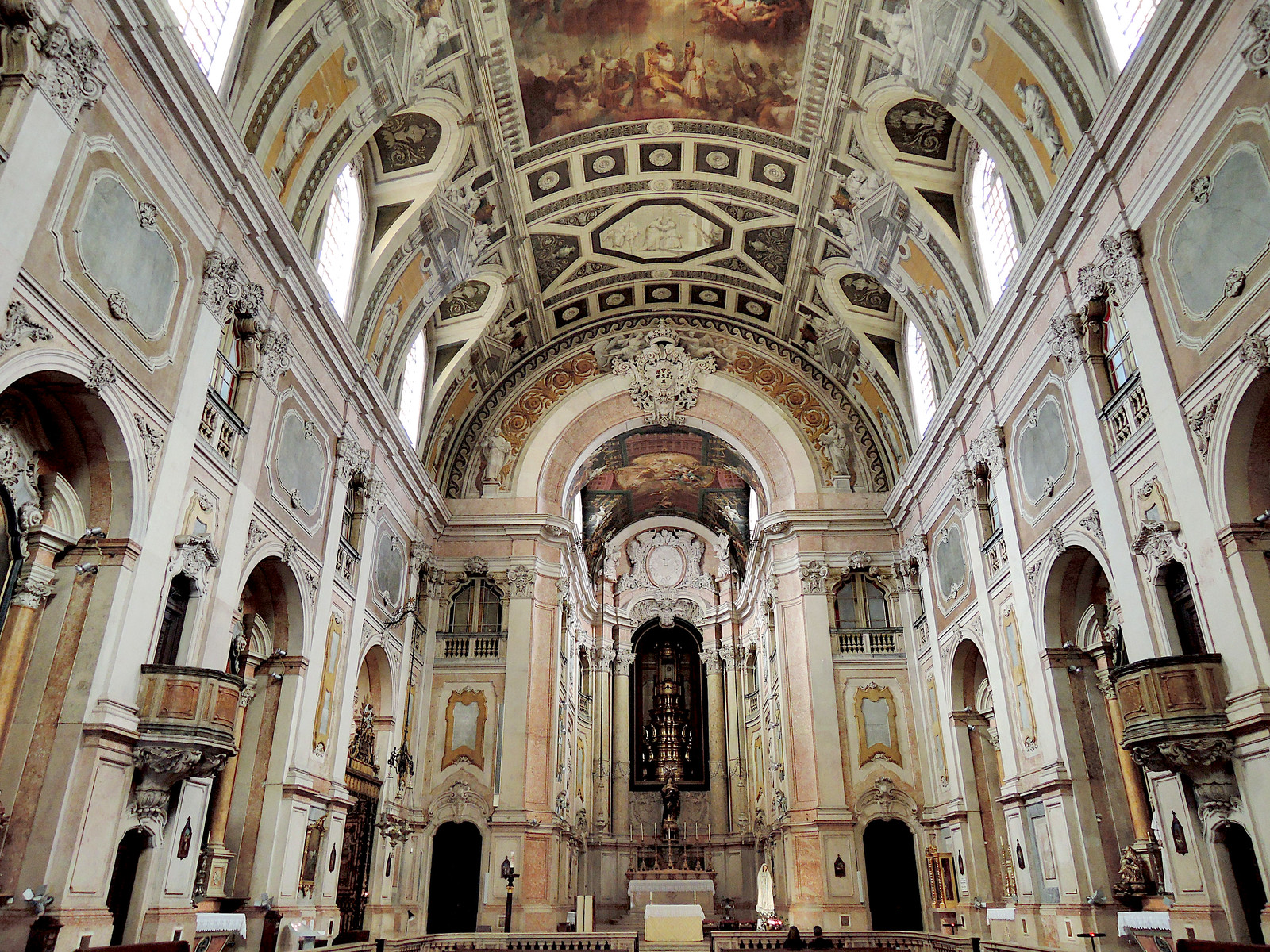
The Igreja de Nossa Senhora da Vitória is a historical church in central Lisbon, classified as a Public Interest Monument. According to The Portugal News, it stands as a visible testimony of the city's reconstruction after the 1755 earthquake that devastated much of Lisbon.
The earthquake, and the fire and tsunami that followed it, destroyed a large part of the historic centre. Rebuilding the city became one of the defining projects of 18th-century Lisbon, and individual churches were restored gradually over many years.
The church's architecture is Pombaline, the restrained, earthquake-conscious style associated with the reconstruction of the capital, laid out here as a single nave.
The main statue of Nossa Senhora da Vitória is attributed to the sculptor Machado de Castro, a key figure in Portuguese art of the period whose work appears in several important religious and civic monuments.
The church is located on Rua da Vitória, in the Santa Maria Maior parish, in the heart of the Baixa district that was rebuilt on a regular grid after the earthquake.
According to The Portugal News, the church is open to visitors every day of the week, allowing residents and travellers to see both the statue and the Pombaline interior at first hand and to read the building as a record of how Lisbon recovered from disaster.
The Baixa district in which it stands was itself rebuilt to a planned grid after 1755, an early example of coordinated urban reconstruction. Seen in that context, the church is not only a place of worship but also part of the physical evidence of how the capital was rebuilt, which is why its Public Interest Monument status recognises historical as well as religious value.