culture
Bela Vista metro station showcases Querubim Lapa's ceramic tilework
Opened on Lisbon's Red Line in 1998, Bela Vista pairs everyday transit with large azulejo panels by a noted Portuguese artist.
Listen in English · 3 min
How we reported this
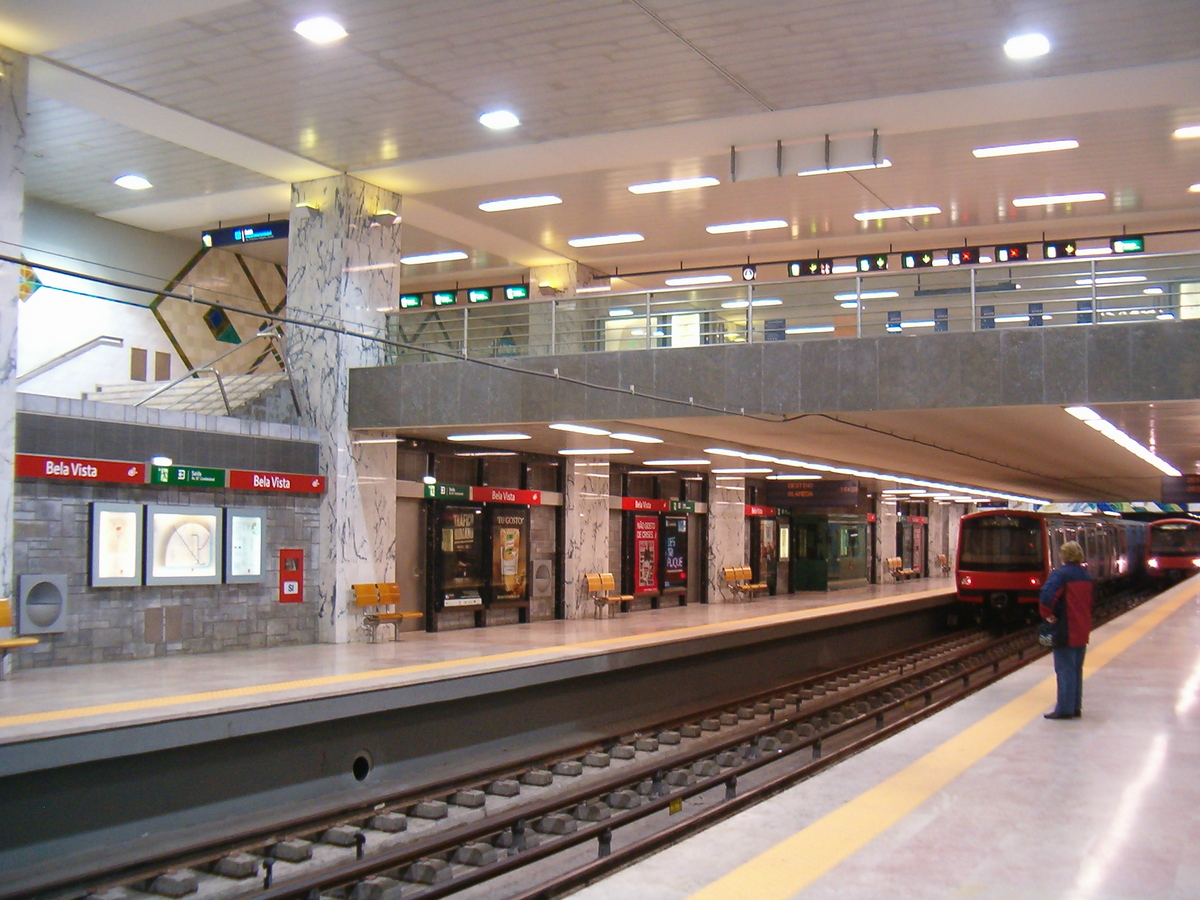
Bela Vista is one of Lisbon's metro stations, and it is known for its ceramic tile work by Querubim Lapa, a Portuguese artist recognised for reinventing how traditional tiles are used in art. According to The Portugal News, the station combines architecture and art in a way that gives it a strong visual identity.
The station opened in 1998 on the Red Line. It sits on Avenida Francisco Salgado Zenha, close to Bela Vista Park, and serves the surrounding residential area on the eastern side of the city.
Its design uses large ceramic surfaces and azulejo panels that run through the space. Azulejos are the painted, tin-glazed ceramic tiles that have been a feature of Portuguese buildings for centuries, and here they are applied at the scale of the whole station.
The tile work changes the mood of the station. Rather than feeling like a simple transport stop, the space becomes one where colour, texture and light shape the everyday experience of passengers crossing through it.
That approach reflects a wider tradition on the Lisbon Metro, where stations have long been treated as venues for public art. Commissioning established artists to line platforms and concourses with tile panels has turned parts of the network into an accessible, free gallery used by commuters every day.
For people travelling on the Red Line, Bela Vista is therefore both a functional station and a small cultural landmark, a reminder that public infrastructure in Lisbon often carries an artistic dimension alongside its practical role.
Querubim Lapa's involvement places the station within the wider story of 20th-century Portuguese ceramics, a field in which several artists worked to bring the centuries-old azulejo tradition into modern buildings. At Bela Vista, that ambition is visible to anyone passing through, whether or not they stop to look, which is part of what The Portugal News highlights about the station. The station's proximity to Bela Vista Park also gives passengers a green space nearby once they return to street level, linking the tiled interior to the neighbourhood outside.
Sources: The Portugal News.